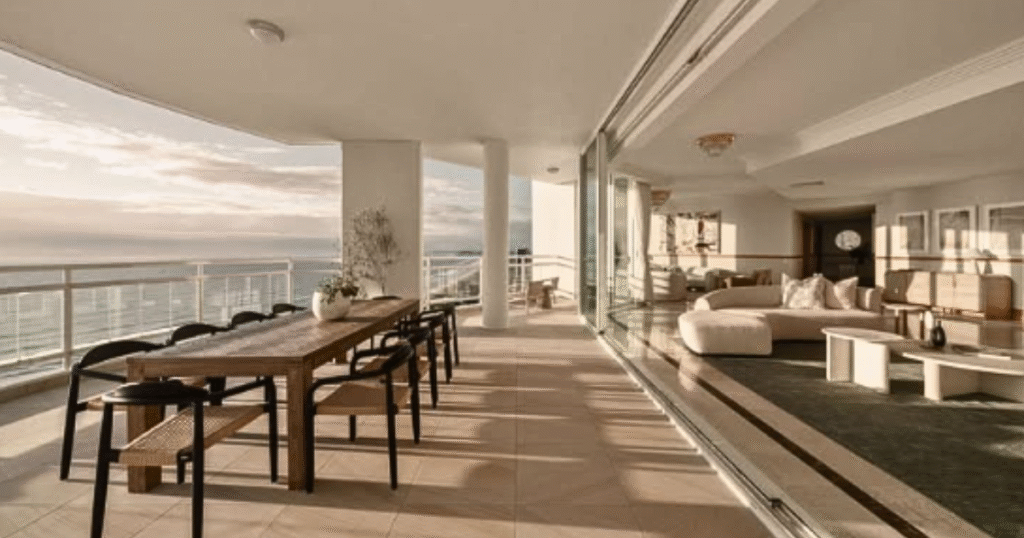
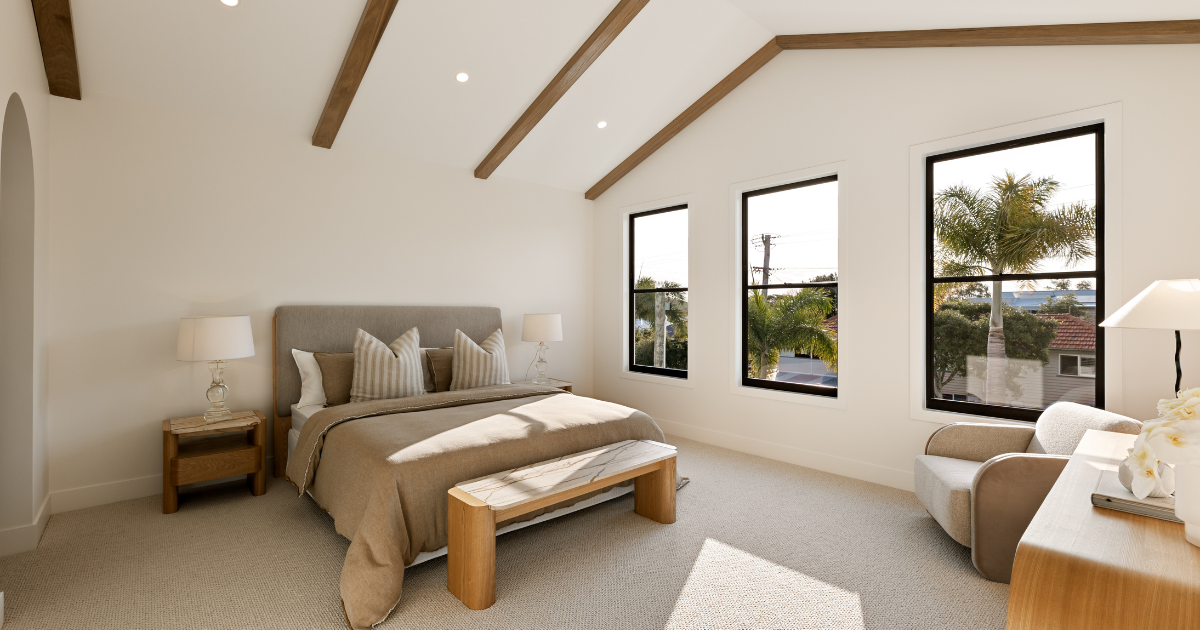
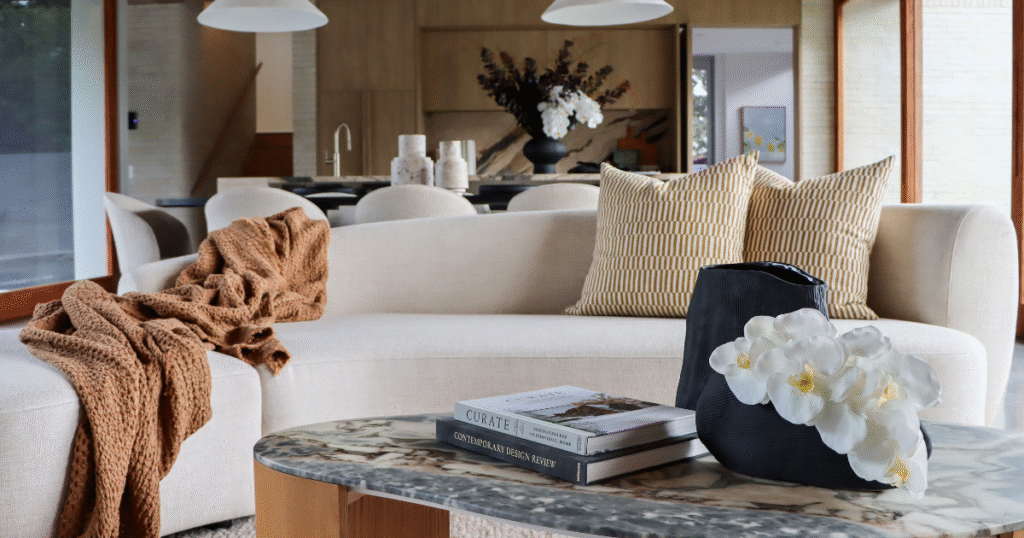
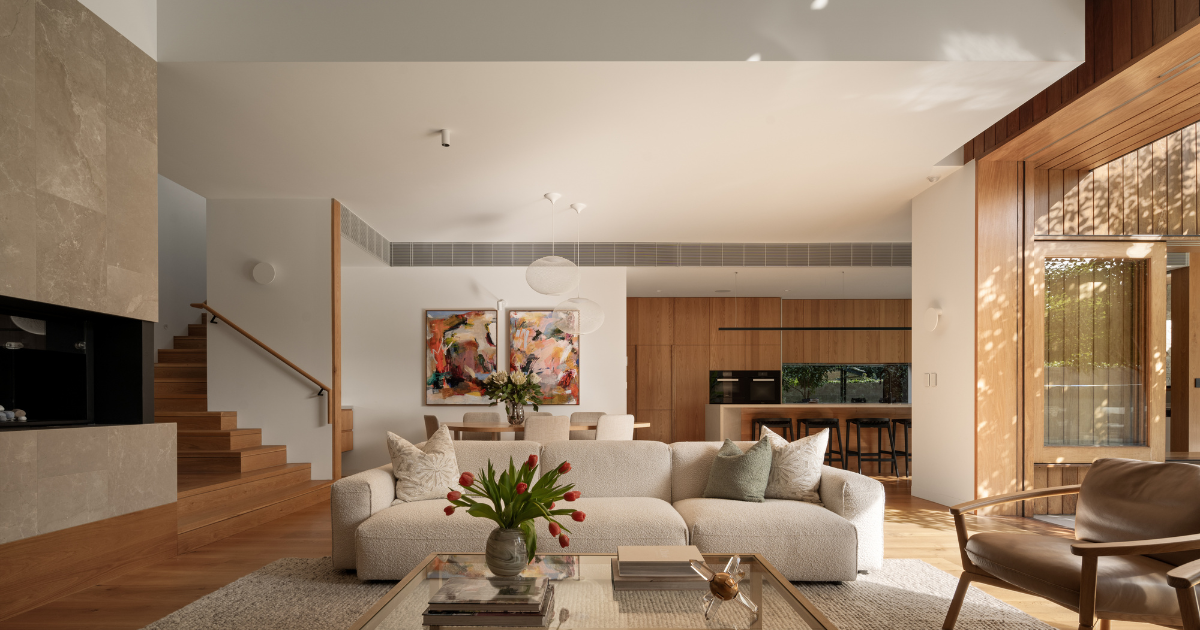
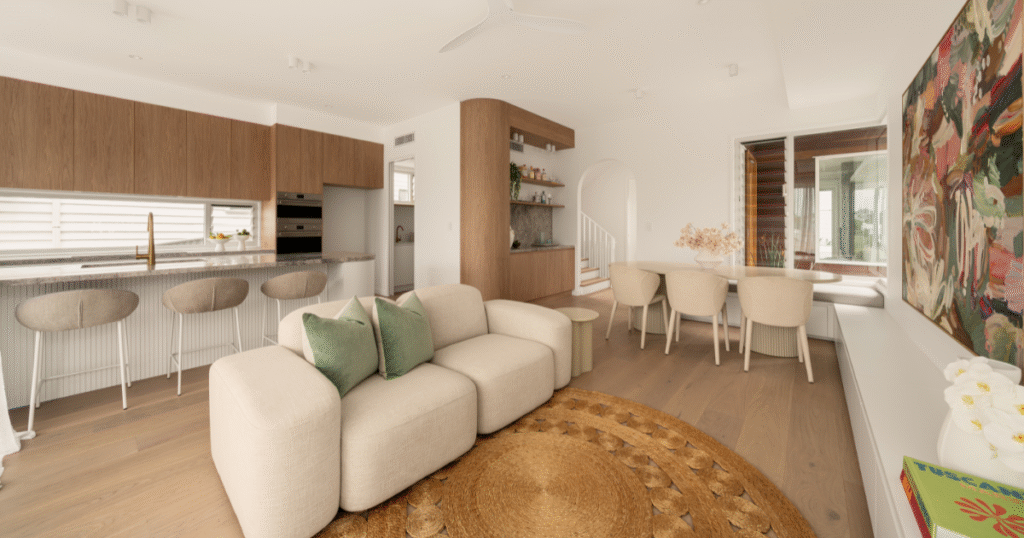
Modern Furniture Hire and Timeless vs Trendy
Introduction
Furniture is no longer just a functional item. It represents the lifestyle, taste and personality of buyers.
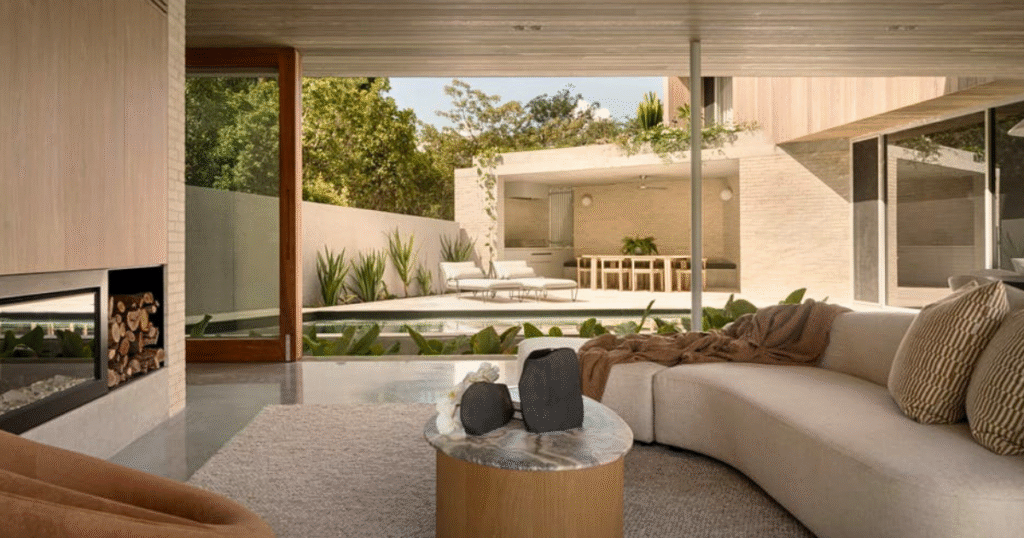
Few industries are shaped as directly by consumer behaviour and preferences, as the home. What draws a buyer into a space is rarely just visual, it’s psychological, cultural and social, all at once. Property styling is signaled by how a room makes the target audience feel, what portrays the lifestyle they’re picturing, and what “current” or “modern” looks like at that specific moment.
That’s why furniture trends are never static. There is continuous evolution and innovation in the industry, tracking how people aspire to live. Stylists and their hire partners need to remain ahead of the curve, to be competitive.
For property stylists and agents, tasteful furniture choice and effective staging is the difference between a listing that blends in, and one that succeeds in highly competitive, softening markets, where buyers have more choice and considerably less patience for anything that feels dated or monotonous.
A staged home is property marketing, and like any marketing, it can look dated, generic or like it was made for right now. Buyers can tell the difference in about 2 seconds of scrolling.
What Buyers Actually Notice
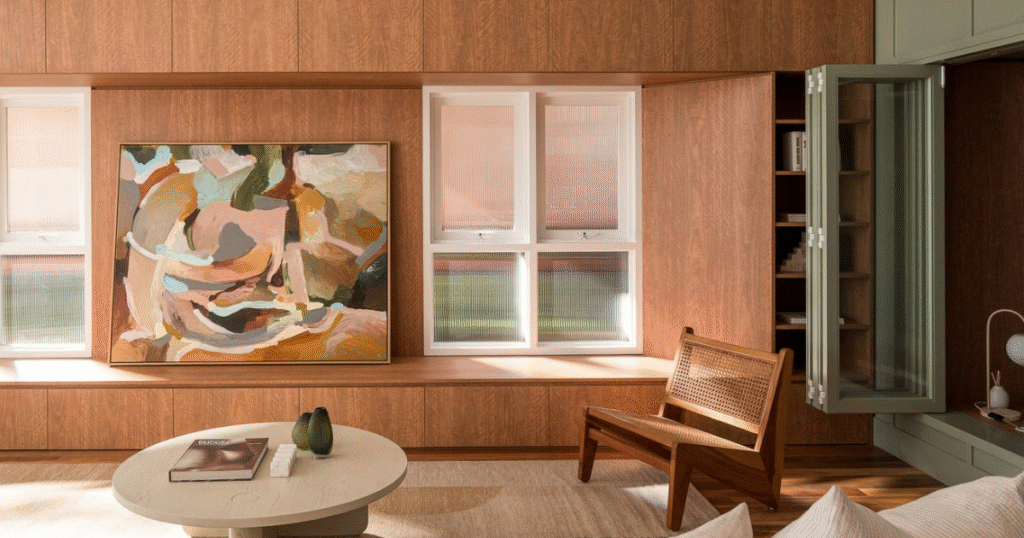
It’s rare that a buyer will consciously think “the coffee table is walnut, not oak”, but they will absolutely register whether a space feels current or feels like it’s stuck in time.
Perception moves faster than most sellers realise.
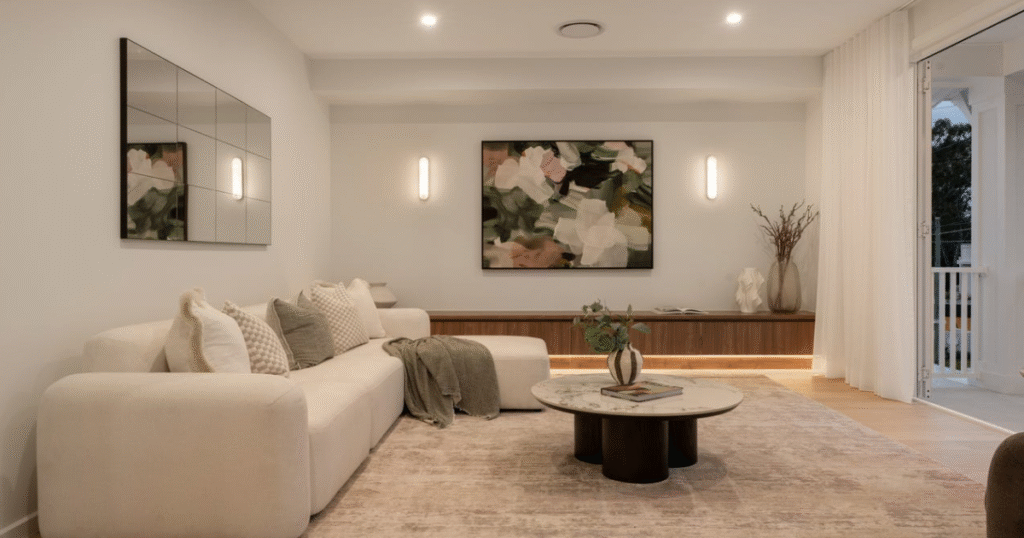
A beige-on-beige styling job, without character or contrast, felt safe in 2022, but now reads as tired, and signals “this property has been sitting.”
That’s not the story anyone wants their listing to tell.
Why this Matters More in a Softening Market
When conditions are hot, styling is almost a formality.
When the market cools, the gap between an average listing and a genuinely well-presented one widens, fast. Buyers have more choice, more time, and more patience to keep scrolling past anything that doesn’t stand out, or align with the aspirational lifestyle. In a softening market, “good enough” styling stops being good enough.
Standing Out by Staying Ahead
This is exactly why we treat trend research as part of the job.
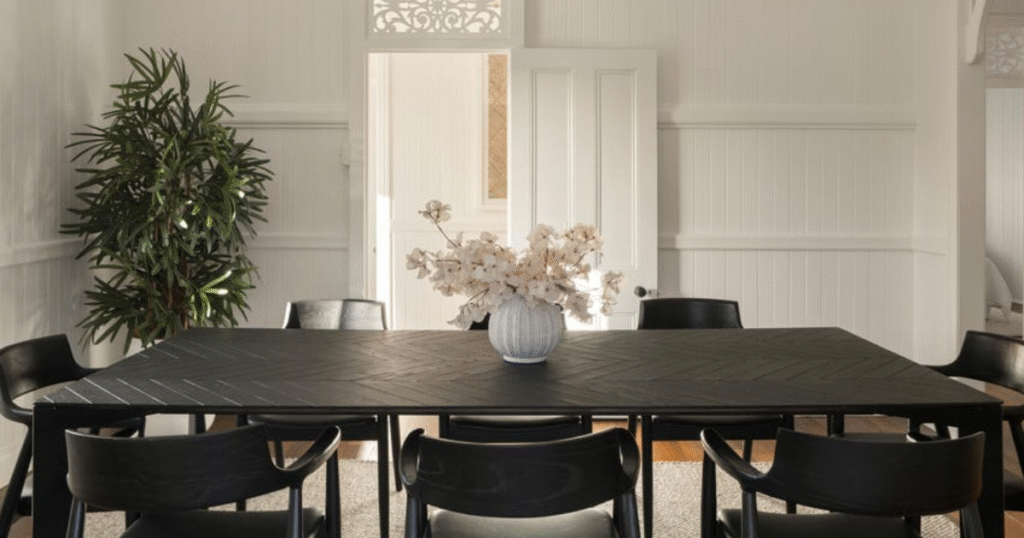
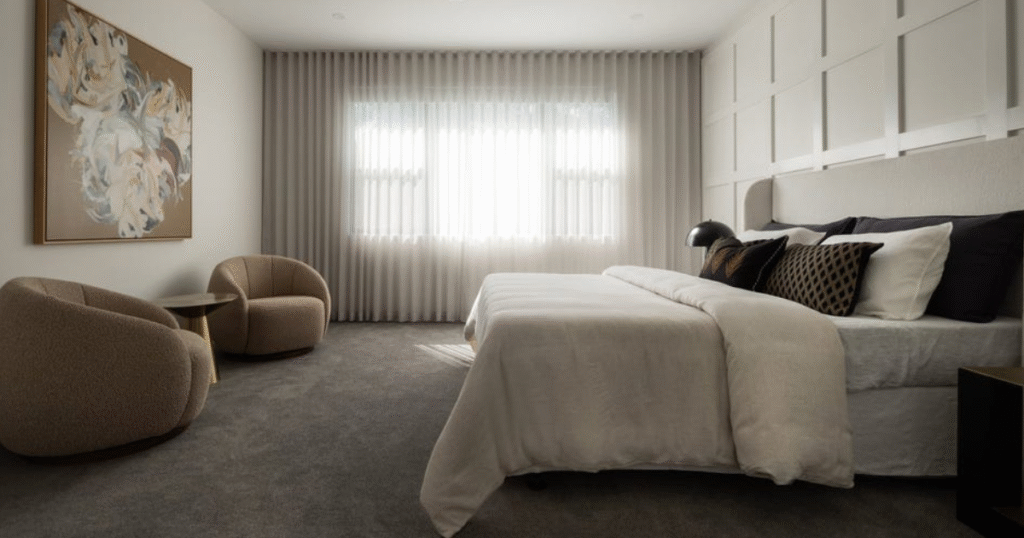
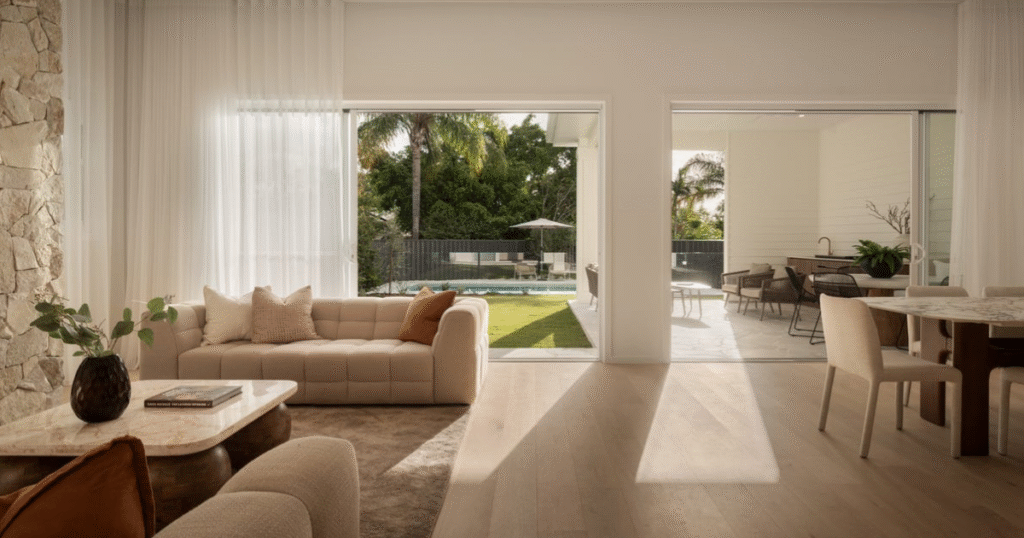
The furniture we provide to stylists and their properties across our collections, should feel considered, not identical to the five other listings in the same suburb.
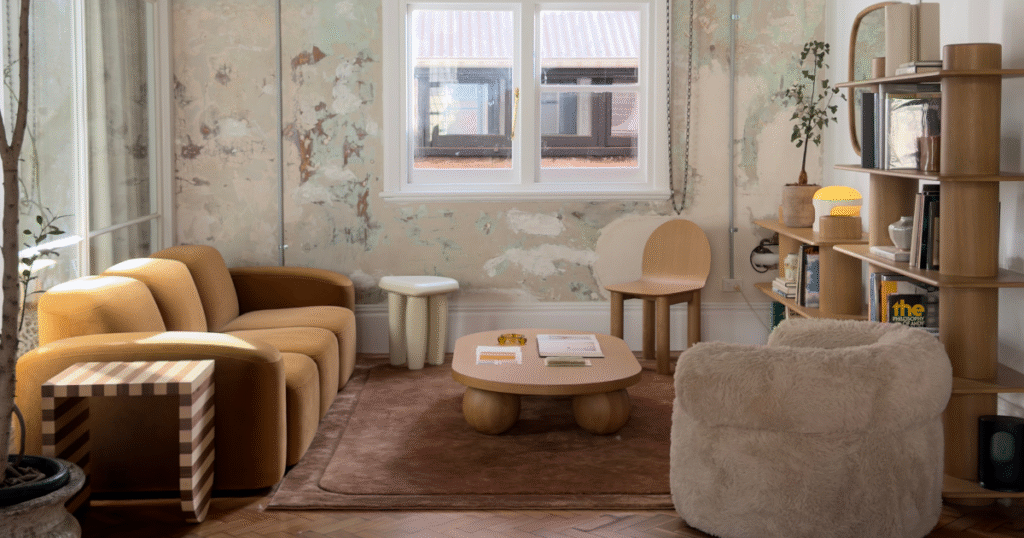
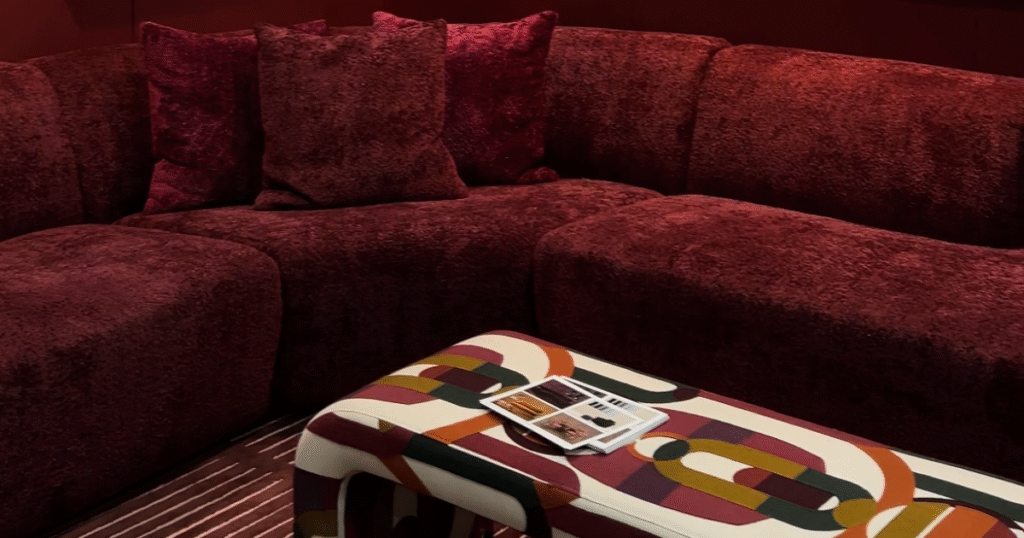
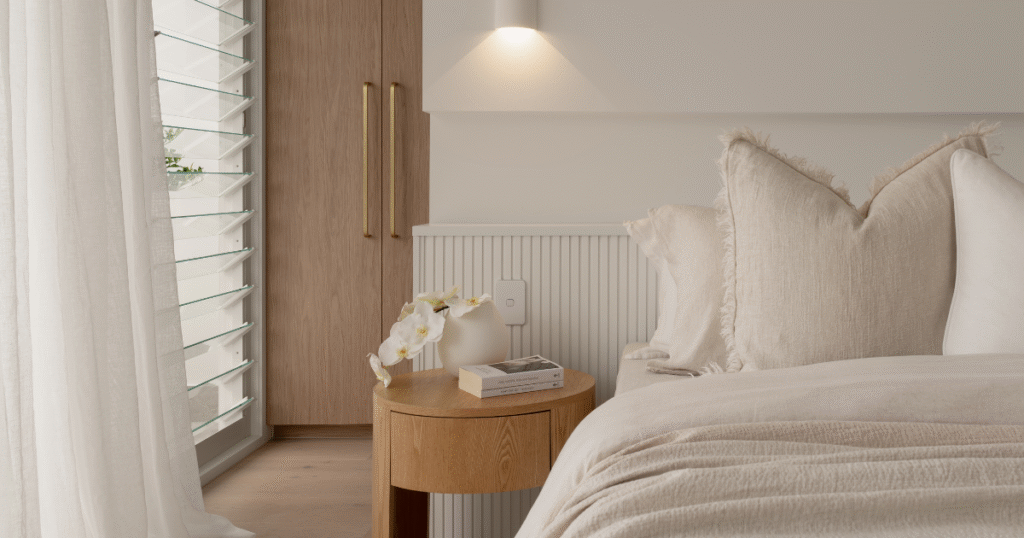
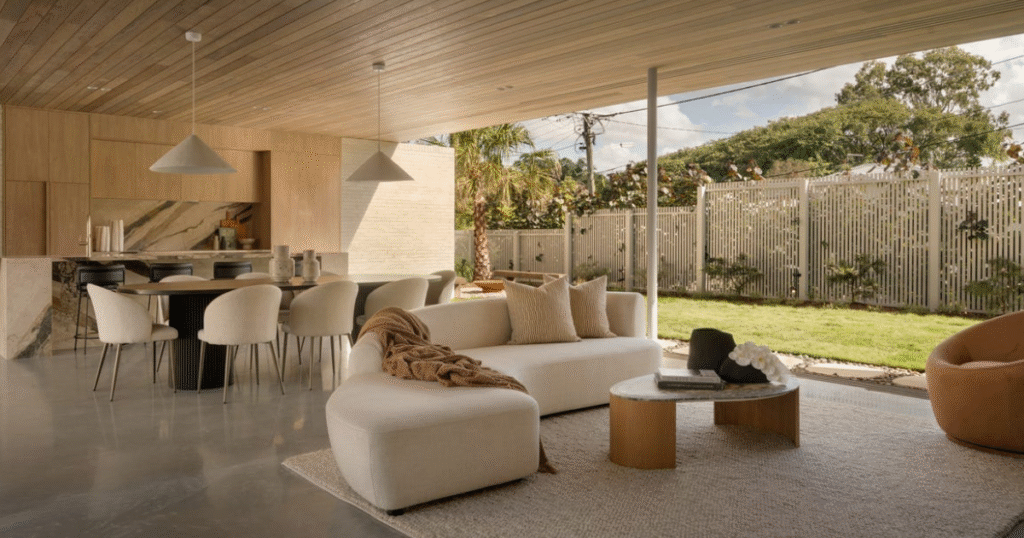
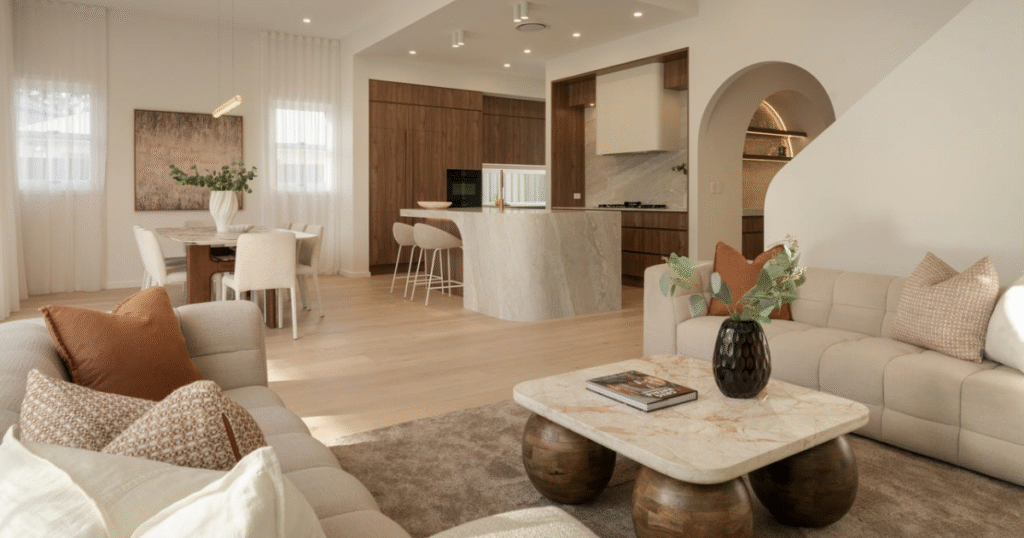
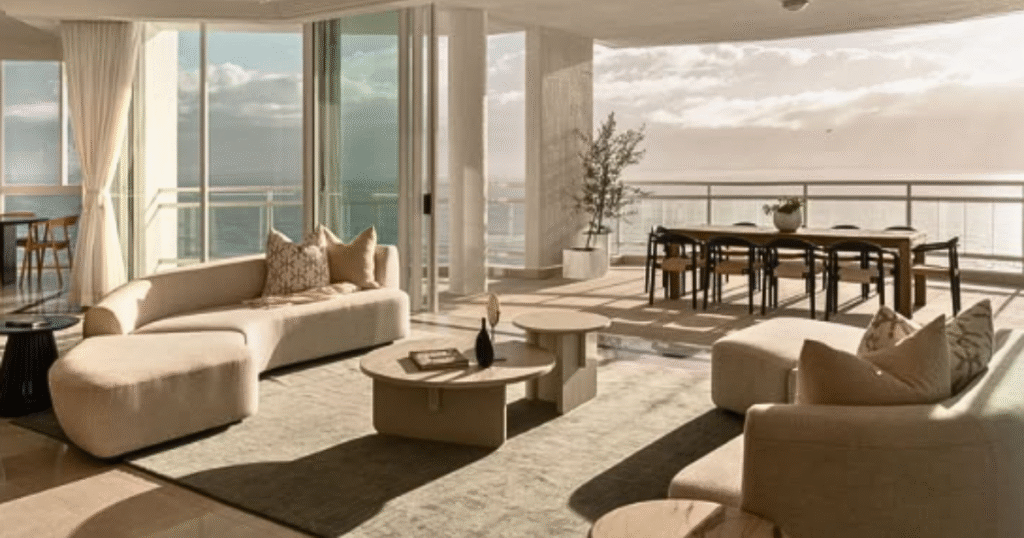
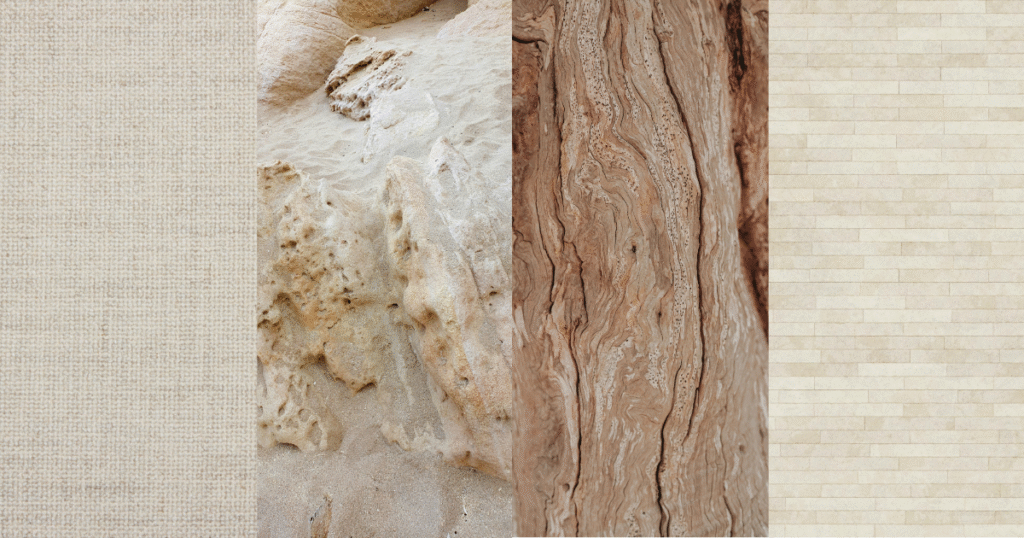
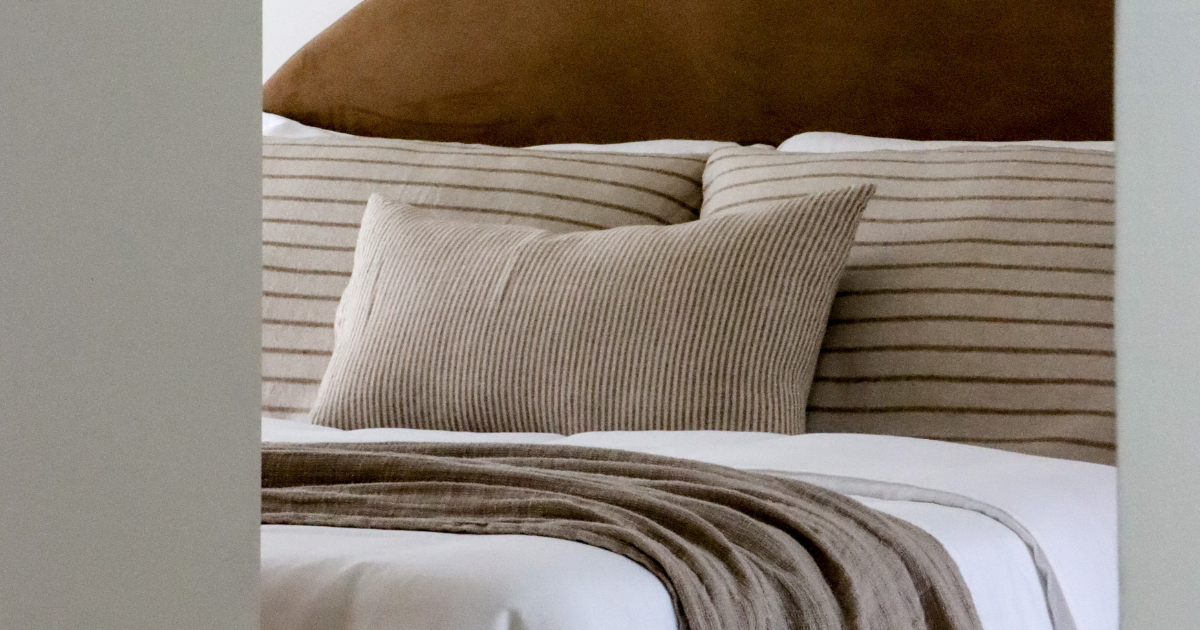
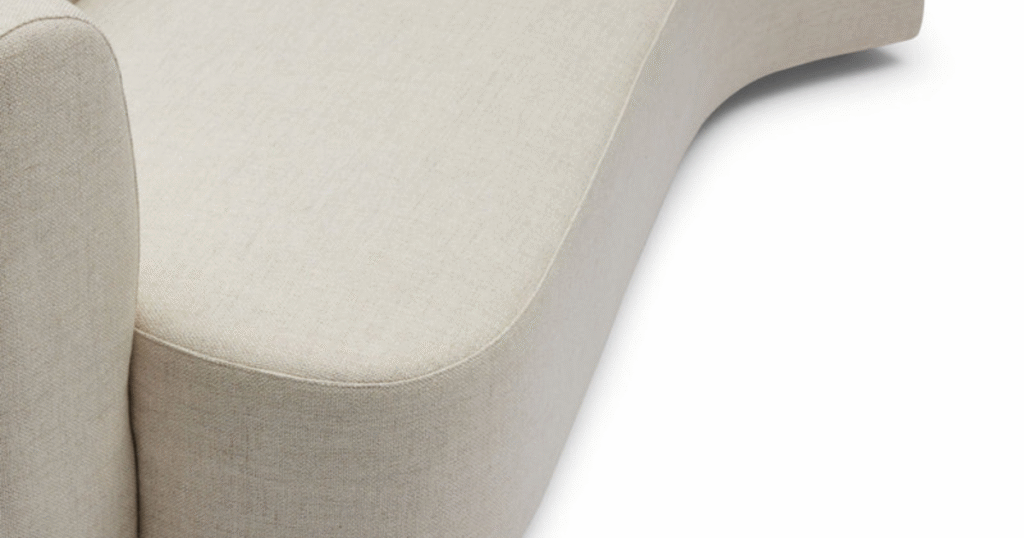
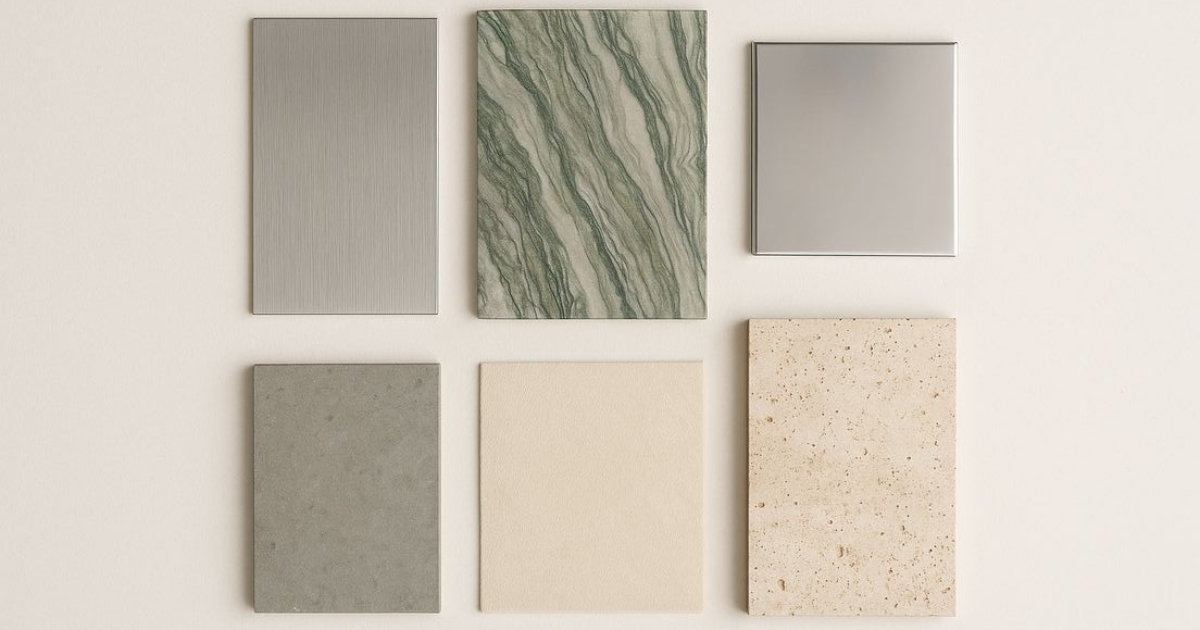
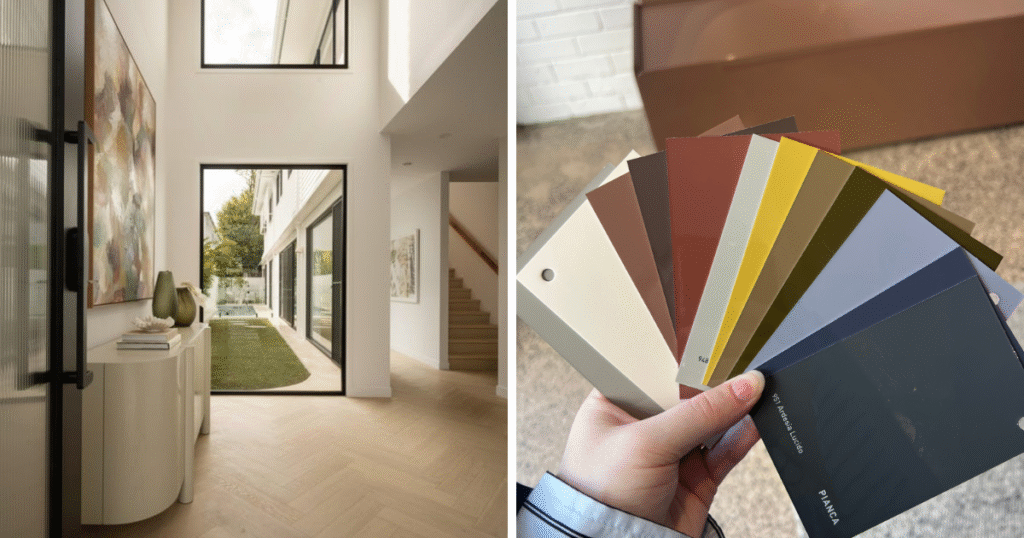
A deeper wood tone, a curved silhouette, a shot of warm colour instead of the same white and beige. These are explicit decisions we make through extensive market research and style forecasting.
This is what separates SOLV’D from mass-market furniture hire and cookie-cutter staging jobs. We cater to a range of stylists, making space for their decisions to be design-led and to build their own distinctive practices.
That’s what makes a listing photo stop the scroll, instead of blending into it.
Timeless Over Trendy, but Not Timid
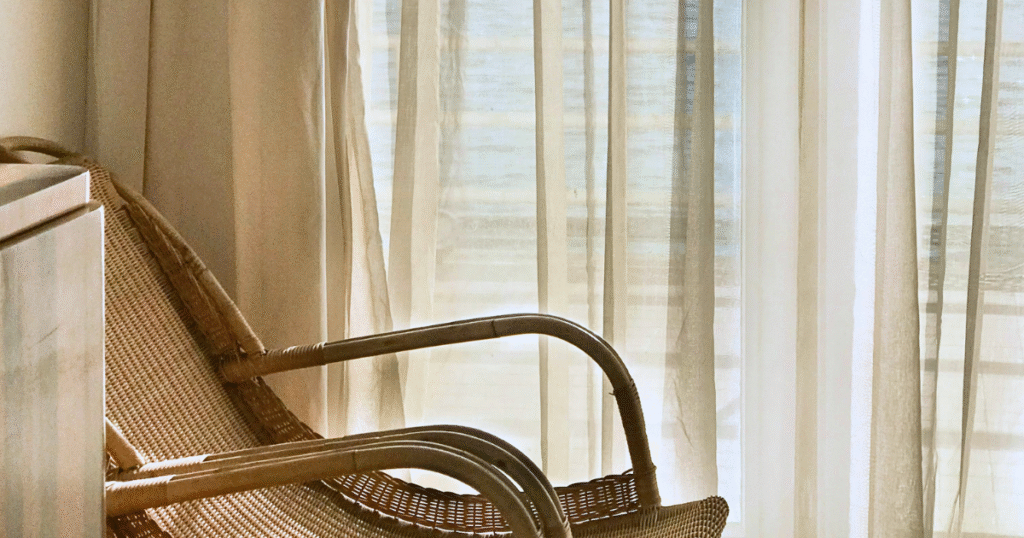
None of this means chasing every micro-trend that emerges. The pieces with staying power, the ones we keep coming back to, tend to be genuinely well-made and quietly confident.
The goal isn’t “trendy,” it’s “considered.” Timeless means choosing pieces that will still look right in three years, not just pieces that photograph well this week.
Partner with a Furniture Hire Team who works the same way
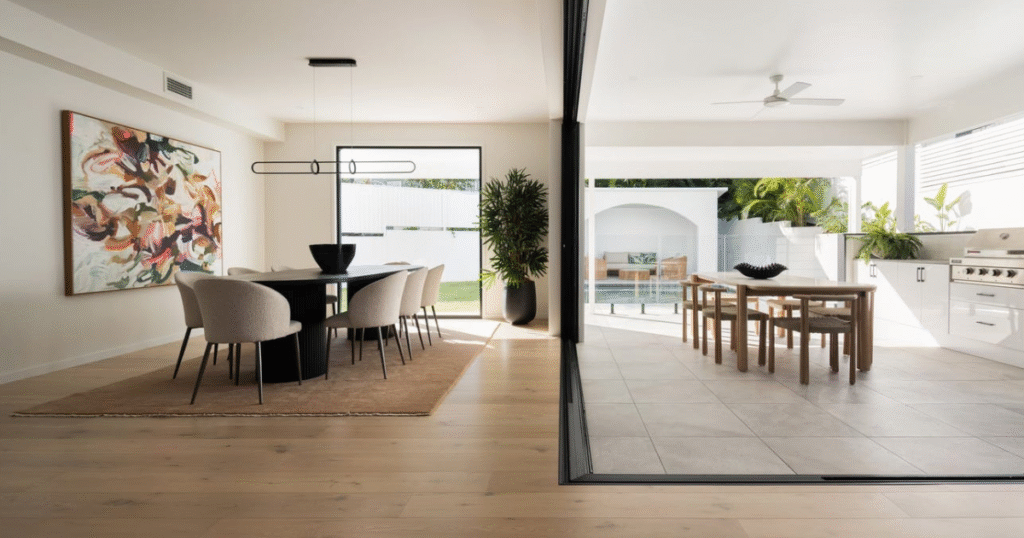
Premium furniture selected for photographic performance, buyer profile alignment, and spatial impact at the luxury end of the Brisbane and SEQ market.
If you’re a stylist, agent or Airbnb operator and you want a furniture partner who understands the styling brief and the process that follows, we’d love to work together.
Frequently Asked Questions About Commercial Furniture Hire
Who typically uses furniture hire services?
Furniture hire is commonly used by property stylists, real estate agents, developers, photographers, production companies, event organisers and property investors.
Is furniture hire only for home staging?
No. While home staging is one of the most common uses, furniture hire is also used for film production, marketing shoots, rental properties and events.
Is hiring furniture cheaper than buying it?
For short-term use, hiring furniture is usually far more cost-effective than purchasing it, especially when transport, storage and styling changes are considered.
Where is furniture hire most common in Queensland?
Furniture hire is widely used across Brisbane, Gold Coast, Sunshine Coast and Toowoomba, particularly in property marketing and creative industries.
Related Reading
Want to learn more about what buyers feel when they walk into a staged home? Discover the key buyers psychology frameworks that inform emotion and drive offers in the spaces you create.
Buyers feel before they think. Staging controls what they feel.