Solv'd

Solv'd

  • Latest News
  • How It Works
    • About Us
    • Our Services
    • Our Team
  • Help
    • How To Order
    • FAQs
    • Contact
  • My account
  • Member Login
  • Quick Quote

Commercial Furniture Hire: Beyond the Obvious

March 27, 2026

The Industries You Might Not Expect

Quick Navigation

  • What Is Commercial Furniture Hire?
  • Why Furniture Hire Is Growing Across Multiple Industries
  • Home Staging & Property Styling
  • Real Estate Agents Who Stage Properties Themselves
  • Long-Term Rental Property Presentation
  • Photography & Marketing Shoots
  • Film & Television Set Design
  • Display Homes & Developer Installations
  • Event Styling & Corporate Spaces
  • Why Furniture Hire Works Across So Many Industries
  • Furniture Hire Across Brisbane, Gold Coast, Sunshine Coast & Toowoomba
  • Frequently Asked Questions About Commercial Furniture Hire

What Is Commercial Furniture Hire?

Commercial furniture hire is the short or medium-term rental of furniture, décor and styling pieces for professional use.

While many people associate furniture hire primarily with home staging, the reality is that many industries rely on flexible furniture solutions to support projects, marketing campaigns and property presentation.

Commercial furniture hire allows businesses to access professionally curated furniture without the cost, storage requirements or logistics of owning large furniture inventories.

This flexibility makes it a valuable tool across multiple sectors particularly where presentation, temporary use or rapid installation is required.

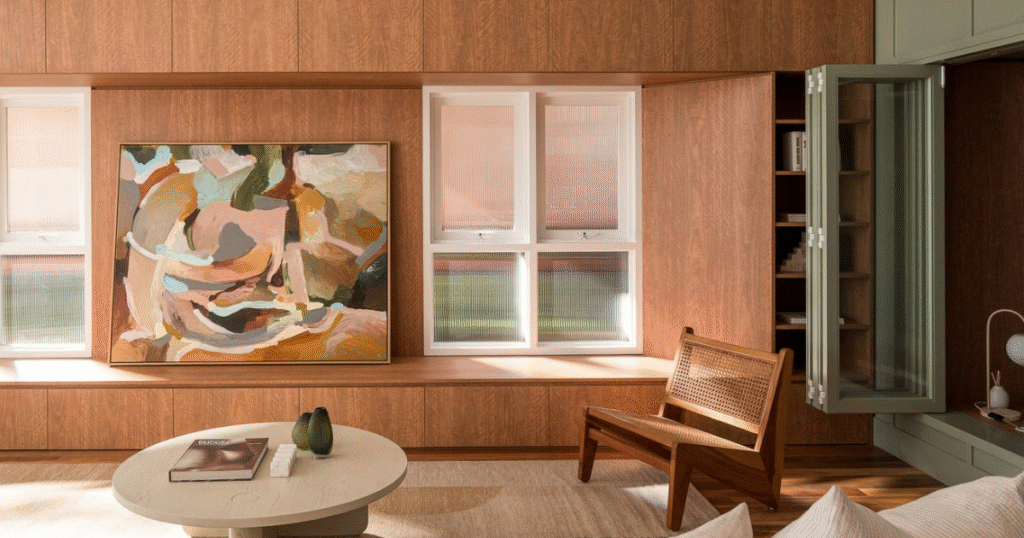
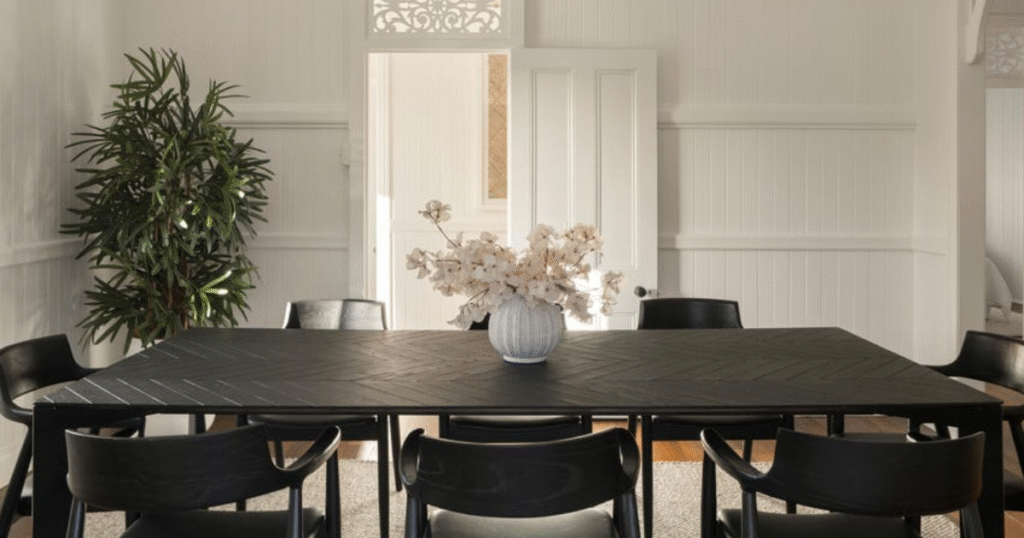
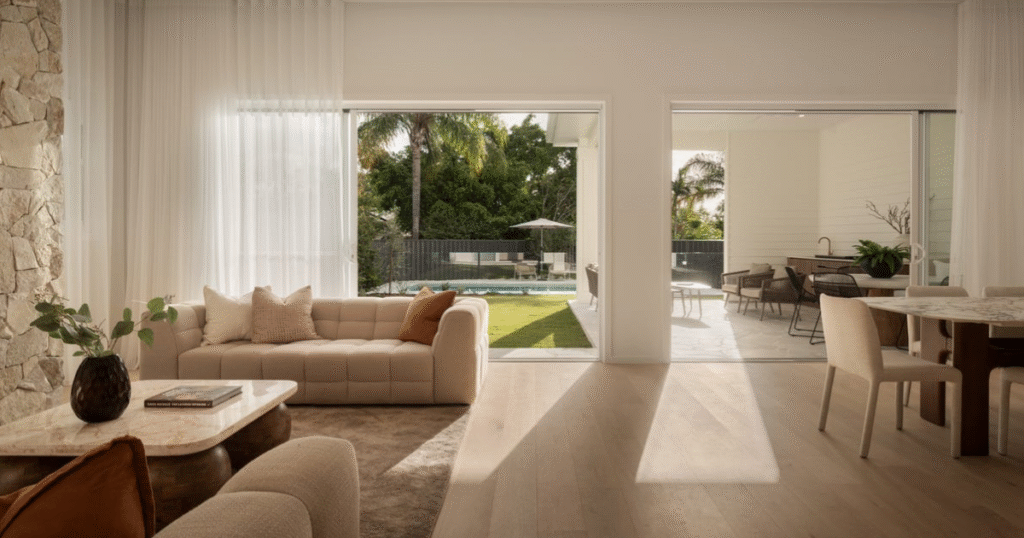
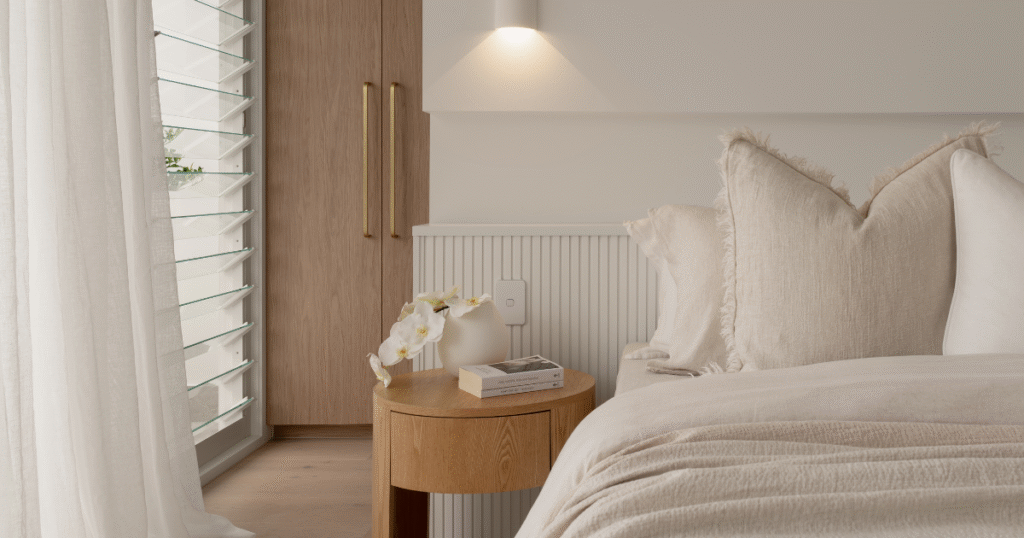
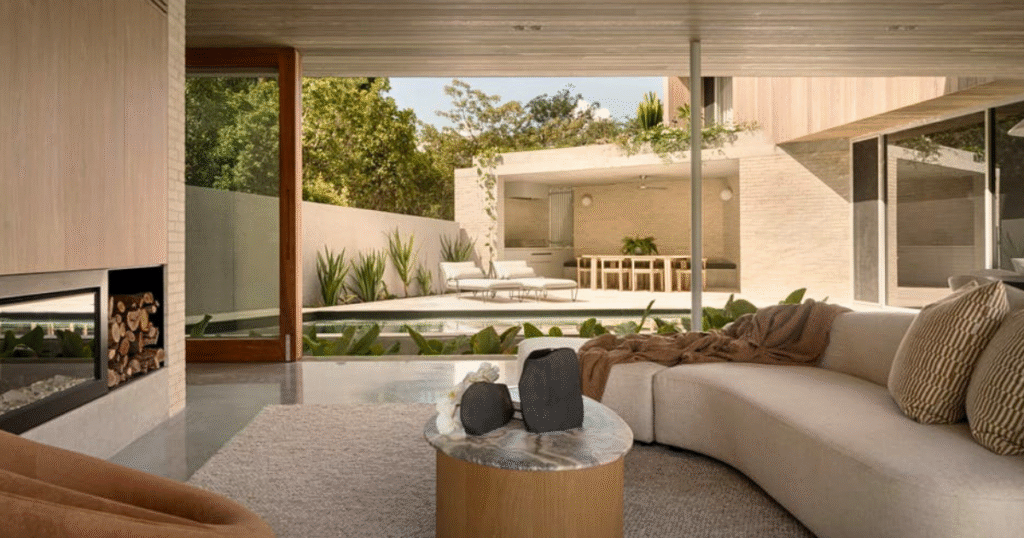
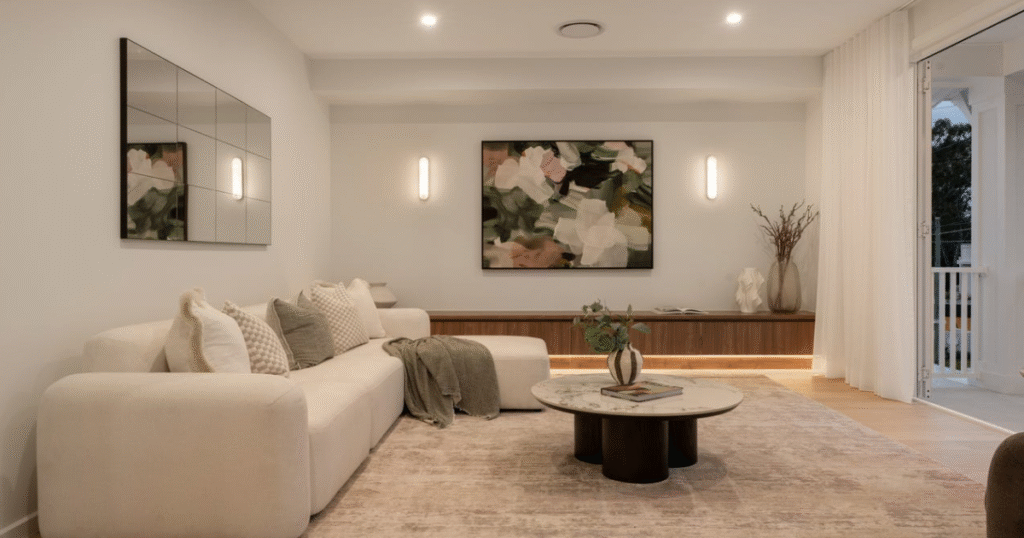
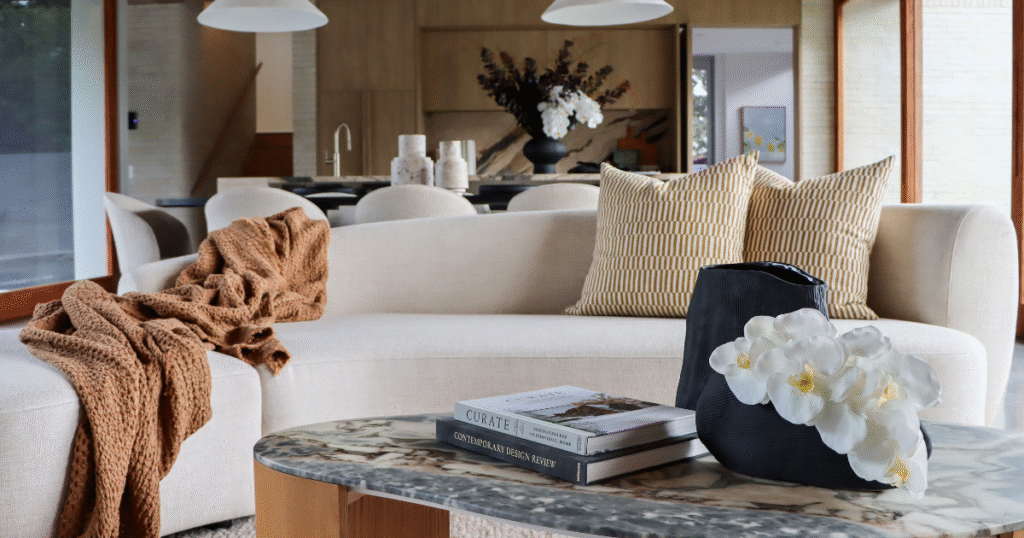
Commercial furniture hire services for home staging, property styling, Airbnb furnishing and film production, featuring styled interiors, real estate presentation and professional video shoots.

Why Commercial Furniture Hire Is Growing Beyond the Obvious

Modern businesses, across industries, increasingly value flexibility.

Purchasing furniture outright often creates challenges such as:

  • Storage requirements
  • Transport logistics
  • Style limitations
  • Capital investment

Furniture hire solves these problems by providing:

  • Immediate access to curated furniture
  • Professional delivery and installation
  • Flexible hire periods
  • The ability to refresh or change styles

This makes furniture hire ideal for temporary projects, visual marketing, and property presentation.

Home Staging & Property Styling

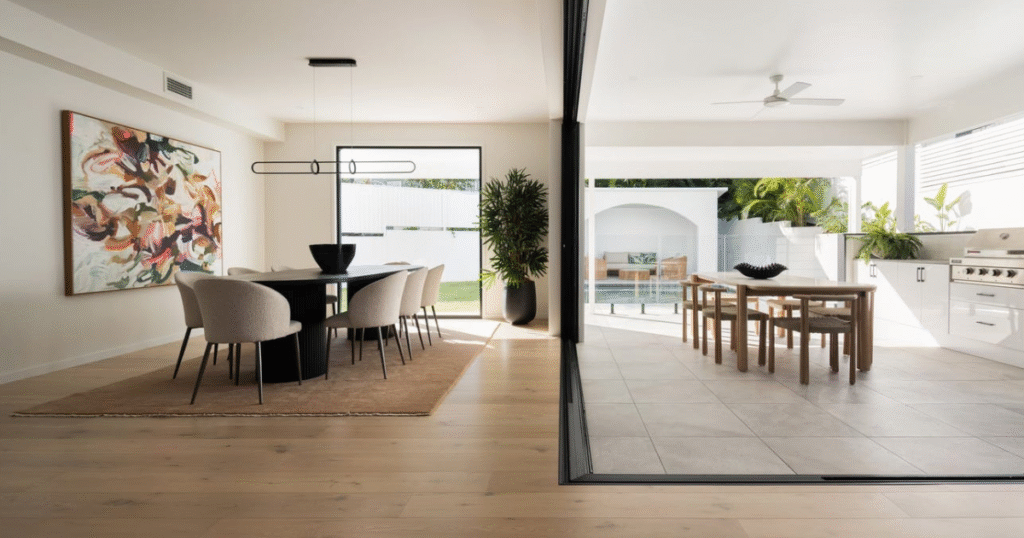
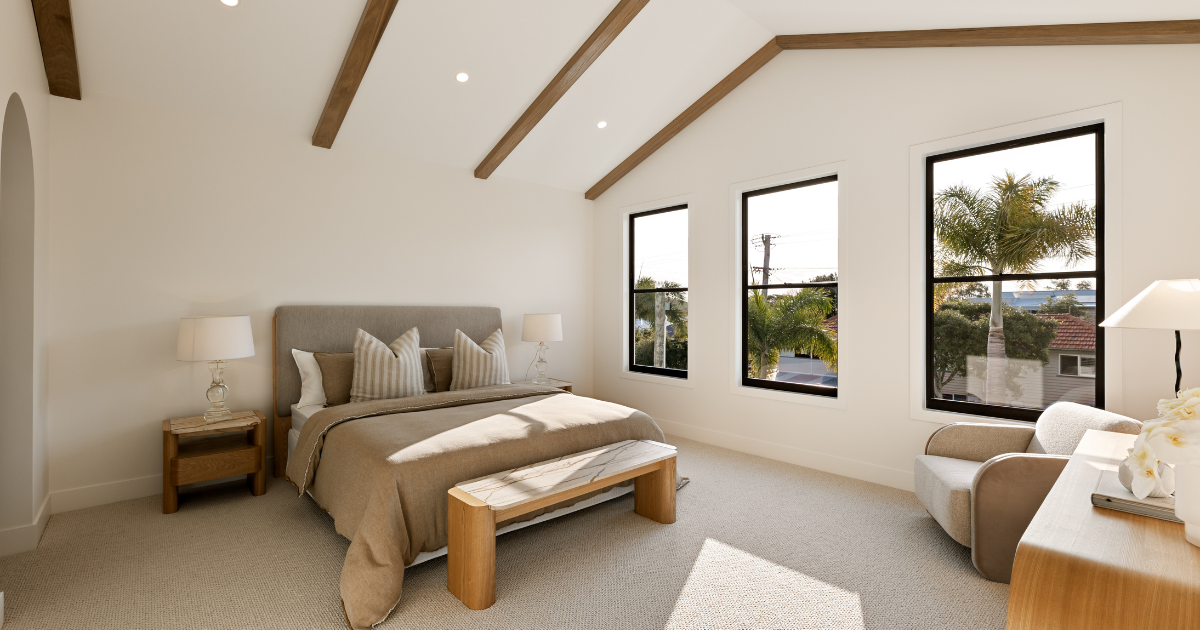
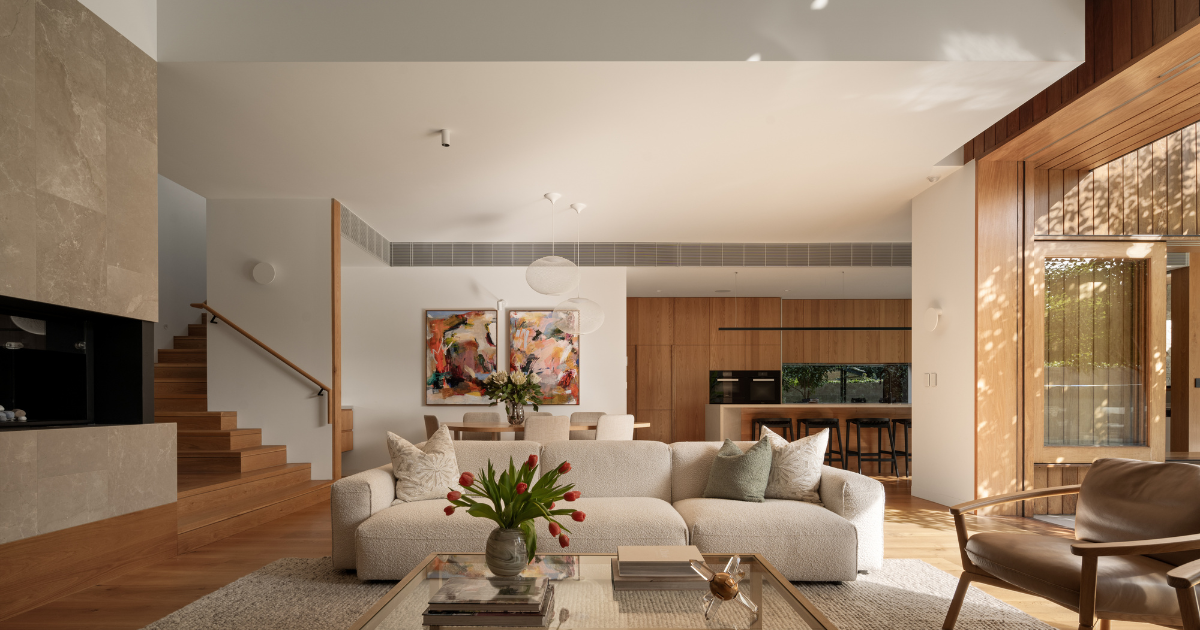
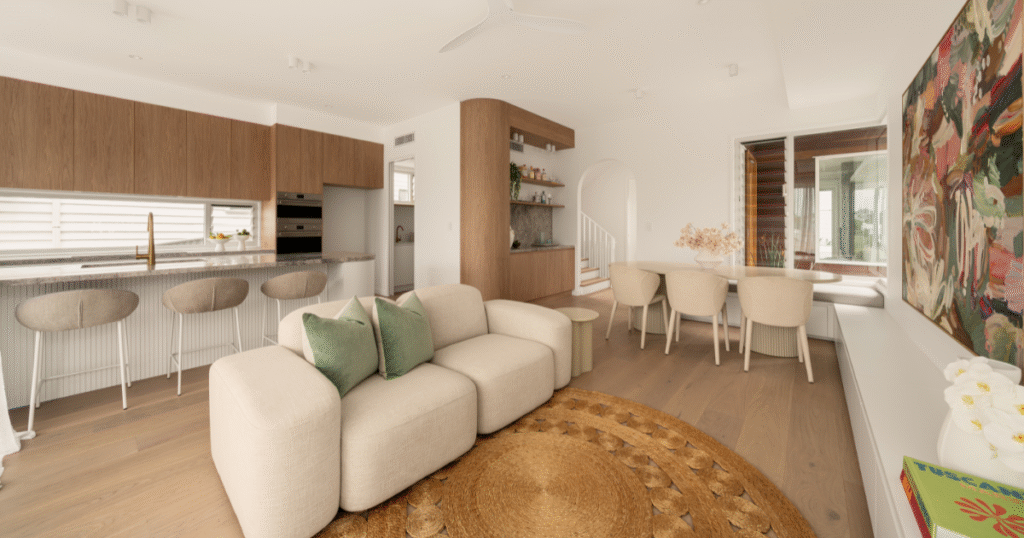
Home staging and property styling South East Queensland, furniture hire for residential homes. Elevate Property Presentation. home staging increases property sale price and evokes emotion from buyers picturing their lives in the home.

The most widely recognised use of commercial furniture hire is home staging.

Professional stylists rely on furniture hire to create beautifully presented properties that attract buyer interest and create a strong emotional connection.

As explained in our article The Complete Guide to Home Staging That Actually Sells Homes, buyers respond strongly to well-presented spaces that clearly demonstrate lifestyle, scale and function.

Furniture hire allows stylists to:

  • Access high-quality pieces for multiple projects
  • Scale their business without holding inventory
  • Deliver consistent design outcomes
  • Focus on styling rather than logistics

Properties are typically staged for only a short period, during a sales campaign, so hiring furniture is significantly more practical than purchasing it.

Real Estate Agents Who Stage Properties Themselves

Real estate agent managing staging highlighting the impact of home styling, property styling and furniture hire on faster property sales and higher sale prices.

While many agents work with professional stylists, some agents also choose to stage properties themselves particularly when working with vacant listings.

This is often referred to as DIY staging.

Agents may hire key pieces such as:

  • Sofas
  • Beds
  • Dining Tables
  • Rugs and artwork

These elements help buyers understand how the property functions.

As explored in our article Why Vacant Homes Often Take Longer to Sell, empty properties can feel cold and difficult for buyers to interpret. Furniture provides visual context that makes the home easier to understand.

Even simple staging setups can significantly improve buyer perception compared to vacant spaces.

    Long-Term Rental Property Presentation

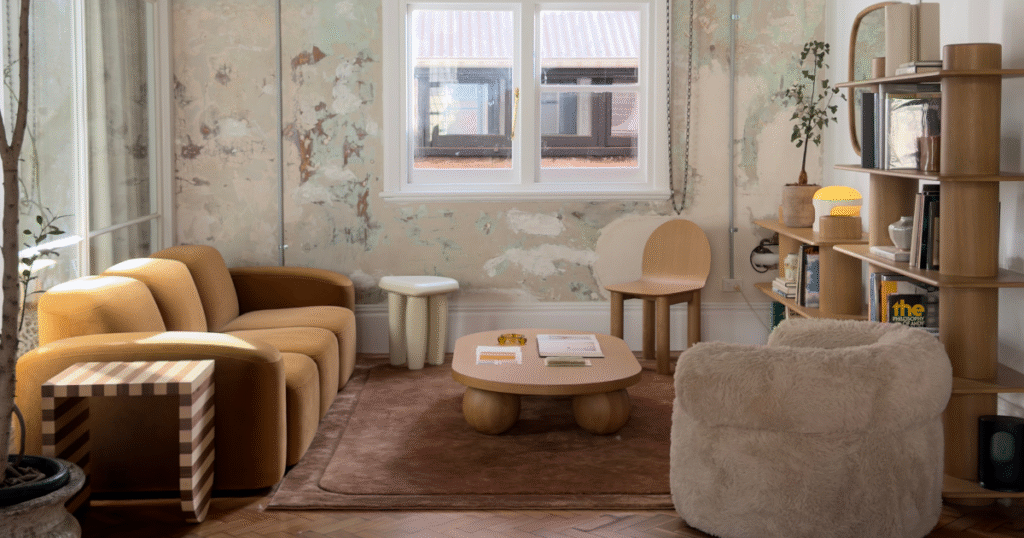
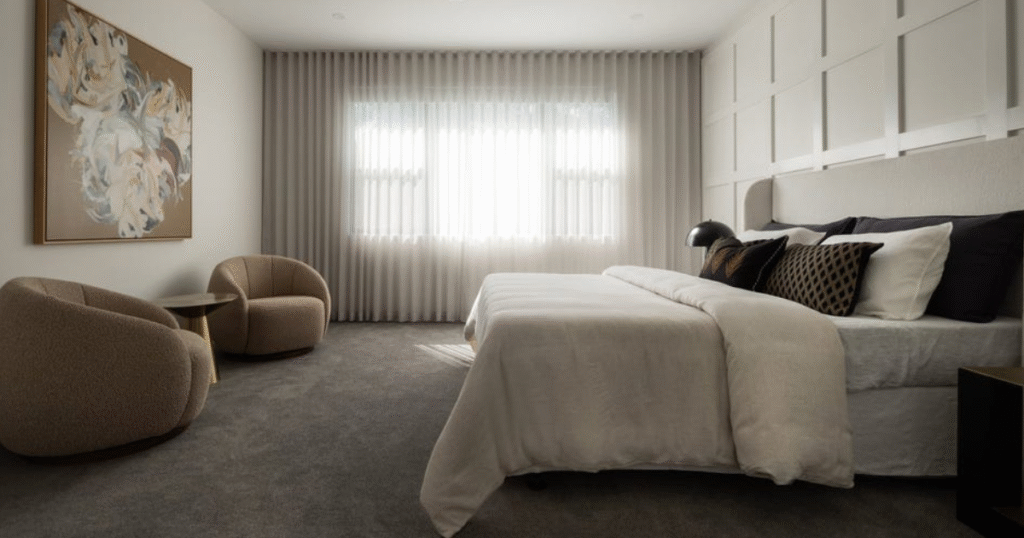
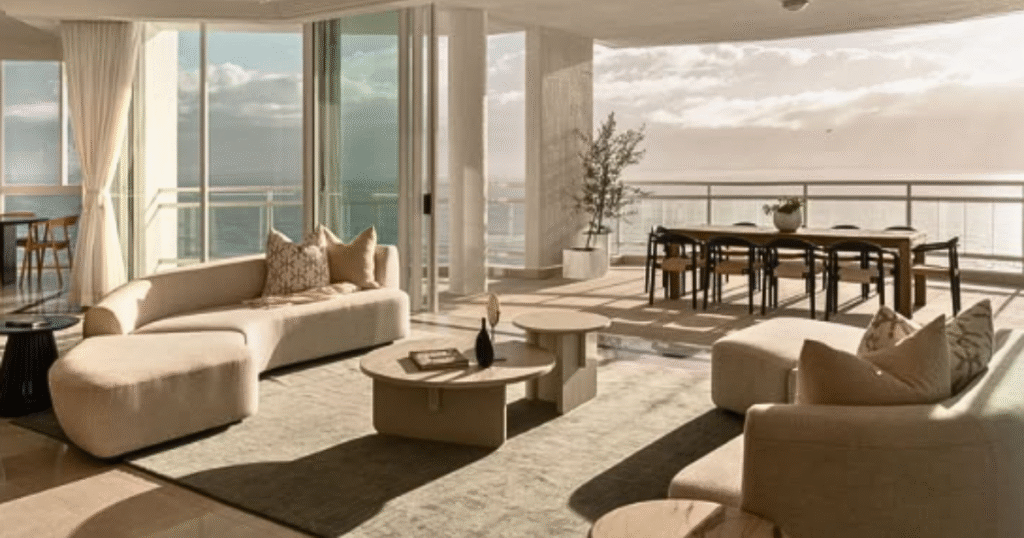
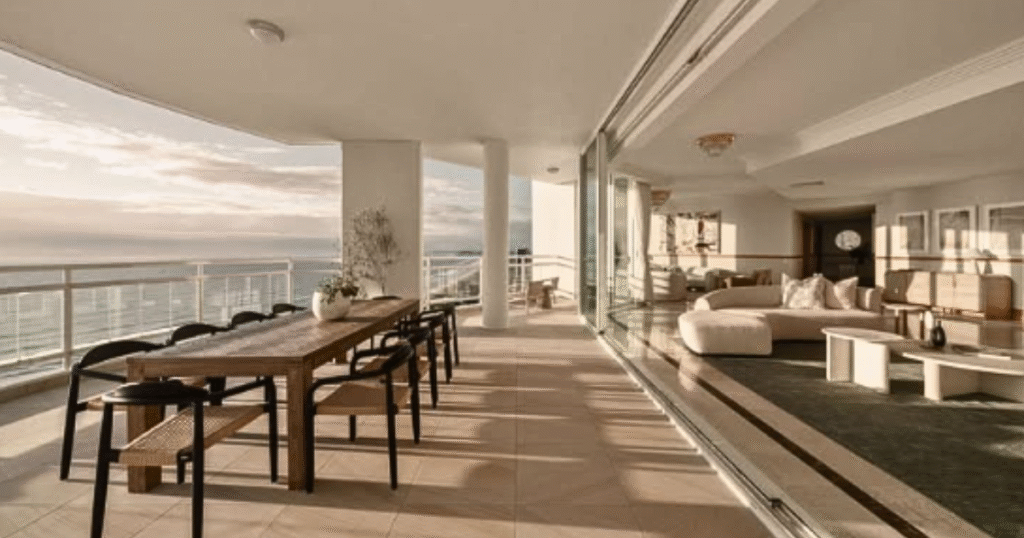
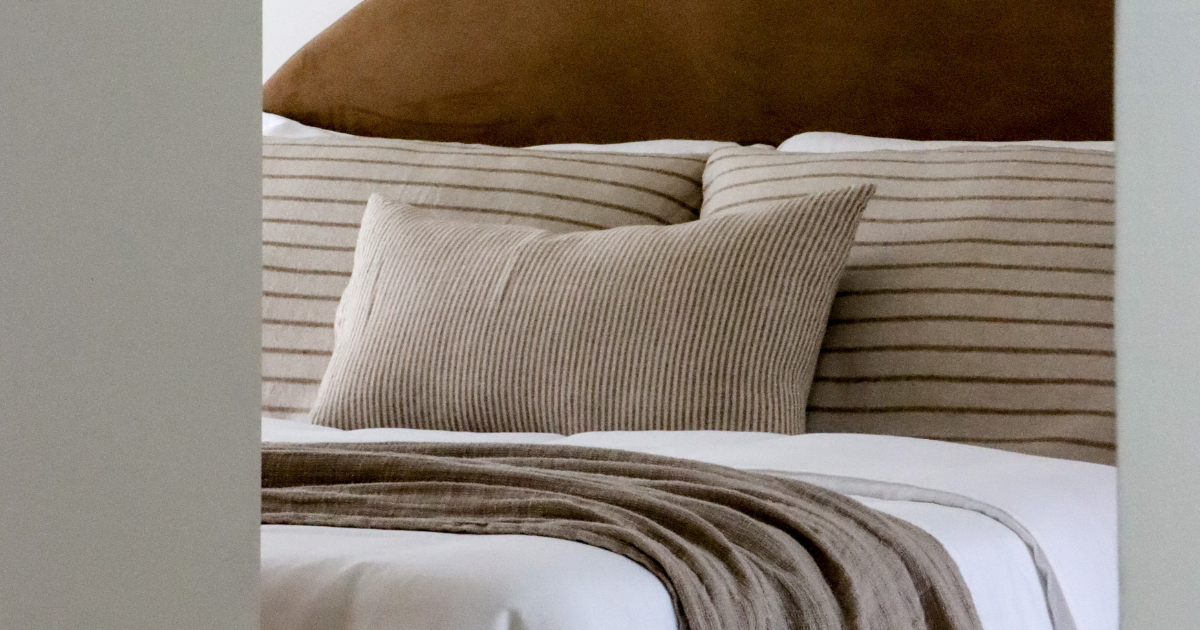
    Airbnb and long-term rental furniture styling featuring modern interiors and outdoor living areas to increase bookings, guest appeal and rental income.

    Another growing use of commercial furniture hire is long-term rental staging.

    Property owners and investors may choose to furnish rental properties to:

    • Increase rental appeal
    • Target corporate tenants
    • Support executive relocations
    • Attract short-term or premium tenants

    Furnished rentals can often command higher rental returns, particularly in markets with strong professional mobility such as Brisbane and the Gold Coast.

    Furniture hire allows landlords to furnish properties professionally without the burden of purchasing and maintaining furniture themselves.

    Photography & Marketing Shoots

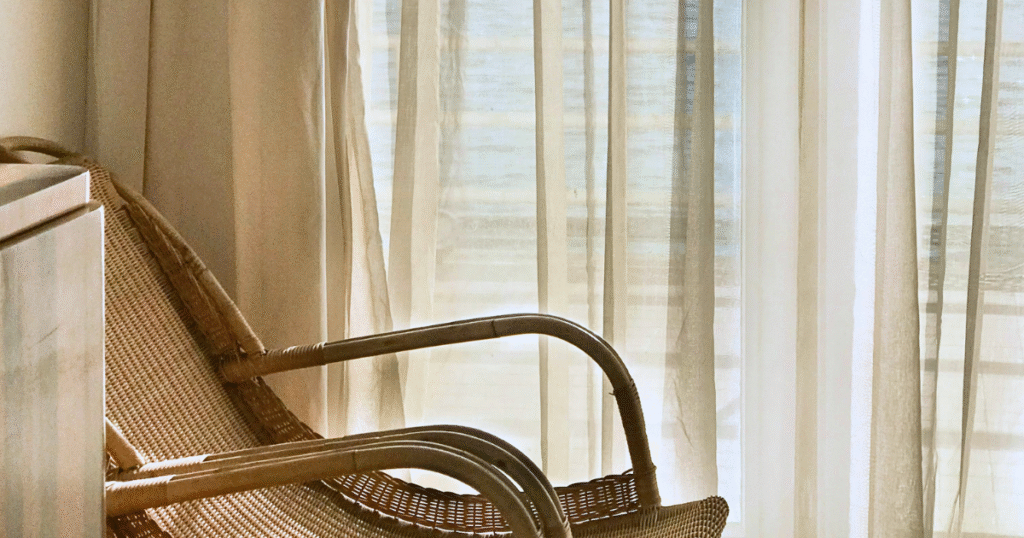
    Furniture hire and styling for real estate photography, marketing shoots and property campaigns, designed to create high-impact listing images and attract buyers.

    Commercial furniture hire is also widely used in photography and marketing campaigns.

    Furniture helps create visually appealing environments for:

    • Real estate marketing photos
    • Lifestyle photography
    • Product shoots
    • Interior design portfolios
    • Advertising campaigns

    Photography shoots often require a carefully curated aesthetic, but only for a very short time.

    Furniture hire makes it possible to create these environments quickly and efficiently without long-term commitments.

    Film & Television Set Design

    Furniture hire for film and TV sets, including professional styling of interiors for production shoots, commercials and media campaigns.

    Film production companies regularly use furniture hire to build realistic environments for television shows, advertisements and film sets.

    Furniture pieces may be used to create:

    • Living rooms
    • Bedrooms
    • Office Spaces
    • Hospitality Enviroments
    • Period or themed interiors

    Because production timelines are often short, the ability to quickly source and install furniture is essential.

    Commercial furniture hire provides production teams with flexibility while maintaining authenticity and visual quality.

    Display Homes & Developer Installations

    Developers launching new release sky homes and apartments, units, create on-trend displays to attract premium buyers by demonstrating layout possibilities and creating emotional connection and value.

    Property developers and builders often hire furniture to stage display homes or project marketing suites.

    These spaces help potential buyers visualise how new homes or apartments can be lived in.

    Furniture styling can dramatically influence buyer perception by:

    • Demonstrating layout possibilities
    • Creating emotional connection
    • Elevating perceived value

    Developers frequently refresh furniture styling over time to keep display homes looking current and relevant.

    Hiring furniture allows these changes to occur without large capital investments.

    Event Styling & Corporate Spaces

    Commercial furniture hire for transforming corporate and event spaces. These hires can be long term, for offices and foyers, or short term for specific events such as launch party's.

    Furniture hire is also widely used for events and temporary corporate spaces.

    This may include:

    • Corporate functions
    • Products launches
    • Networking events
    • Hospitality activations
    • Showroom Installations

    As a result, businesses can create professional environments for events, without needing to purchase furniture that will only be used occasionally.


    Why Furniture Hire Works Across So Many Industries

    The common thread across all of these uses is flexibility.

    Furniture hire allows businesses to:

    • Access high-quality furniture instantly
    • Scale projects up or down easily
    • Avoid long-term ownership costs
    • Adapt styling to different environments

    Furthermore, this flexibility makes furniture hire an efficient solution for industries where presentation matters but permanence is unnecessary.


    Servicing Brisbane, Gold Coast, Sunshine Coast & Toowoomba

    Furniture hire and property styling services across Brisbane, Gold Coast, Sunshine Coast and Toowoomba, offering delivery, installation and collection for real estate and commercial projects.

    Demand for professional furniture hire continues to grow across South East Queensland, particularly in markets such as:

    • Brisbane
    • Gold Coast
    • Sunshine Coast
    • Toowoomba

    These regions have strong real estate markets and growing creative industries, both of which rely on high-quality presentation.

    Furniture hire supports property professionals, stylists, photographers and businesses who need reliable access to curated furniture across these areas.


    Frequently Asked Questions About Commercial Furniture Hire

    Who typically uses furniture hire services?

    Furniture hire is commonly used by property stylists, real estate agents, developers, photographers, production companies, event organisers and property investors.


    Is furniture hire only for home staging?

    No. While home staging is one of the most common uses, furniture hire is also used for film production, marketing shoots, rental properties and events.


    Is hiring furniture cheaper than buying it?

    For short-term use, hiring furniture is usually far more cost-effective than purchasing it, especially when transport, storage and styling changes are considered.


    Where is furniture hire most common in Queensland?

    Furniture hire is widely used across Brisbane, Gold Coast, Sunshine Coast and Toowoomba, particularly in property marketing and creative industries.

    Commercial furniture hire plays a much larger role than many people realise.

    From home staging and property marketing to film production and corporate events, the ability to quickly access curated furniture allows businesses to create environments that feel complete, professional and intentional.

    Whether the goal is selling a home, marketing a product or creating a compelling visual environment, furniture remains one of the most powerful tools for shaping how people experience a space.

    Related Reading

    For a deeper understanding of how presentation influences buyer behaviour, read:
    The Complete Guide to Home Staging That Actually Sells Home

    This guide explains how staging, furniture, and layout influence buyer perception and sales outcomes.

    Filed Under: News Tagged With: brisbane, commercial furniture hire, DIY staging, event styling, furniture hire, gold coast, home staging, property styling, set design

    Why Vacant Homes Often Take Longer to Sell (And How to Avoid It)

    February 25, 2026

    Quick Navigation

    • Why Vacant Homes Are Harder for Buyers to Connect With
    • Why Empty Rooms Often Feel Smaller
    • Why Vacant Homes Feel Emotionally Cold
    • Why Buyers Spend Less Time in Vacant Homes
    • Vacant Homes vs Staged Homes: The Competitive Difference
    • Vacant Home Selling Tips That Improve Results
    • How Furniture Improves Buyer Confidence
    • When Vacant Homes Are Most at Risk of Underperforming
    • The Key Insight: Buyers Purchase Experiences, Not Just Properties
    • Frequently Asked Questions About Selling Vacant Homes

    Selling a vacant home may seem straightforward. Without furniture, the property appears clean, neutral, and ready for immediate inspection. But in practice, vacant homes often take longer to sell and struggle to generate the same level of buyer engagement as professionally presented properties.

    The reason isn’t the property itself it’s how buyers experience it.

    As explored in our pillar guide, The Complete Guide to Home Staging That Actually Sells Homes, buyers don’t just evaluate homes based on size or layout. They respond emotionally to how a space feels. When those emotional cues are missing, buyers hesitate.

    Understanding why vacant homes underperform and applying proven vacant home selling tips can significantly improve buyer perception and sales outcomes.

    Why Vacant Homes Are Harder for Buyers to Connect With

    When buyers walk into a vacant home, they are presented with structure but not context.

    There are no visual anchors to demonstrate:

    • How large the living area really is
    • Where furniture would sit
    • How the room would function day-to-day
    • Whether their lifestyle fits comfortably within the space

    Instead of experiencing the home naturally, buyers must mentally construct how it would work.

    This mental effort creates friction.

    The easier a home is to understand, the more confident buyers feel. The harder they must work to visualise it, the more uncertainty enters the decision-making process.

    Vacant homes increase uncertainty.

    Why Empty Rooms Often Feel Smaller Than They Are

    One of the most overlooked challenges of selling a vacant home is the lack of scale reference.

    Furniture provides proportion. Without it, buyers struggle to accurately judge room size.

    For example:

    • A living room without a sofa may feel narrow
    • A bedroom without a bed may feel undersized
    • A dining area without a table may feel impractical

    Furniture helps define usable space.

    It shows buyers how the room functions in reality, not just in theory.

    Without these cues, buyers may underestimate the home’s true capacity and usability.

    Why Vacant Homes Feel Emotionally Cold and Less Inviting

    Buying a home is rarely a purely logical decision. Emotional connection plays a significant role.

    Vacant homes often feel:

    • Less welcoming
    • Less comfortable
    • Less memorable
    • Less complete

    Furniture softens a space. It introduces warmth, texture, and familiarity.

    It transforms a property from a structure into a home.

    Without these emotional elements, buyers may admire the property but fail to form a meaningful connection.

    And emotional connection drives buyer motivation.

      Why Buyers Spend Less Time in Vacant Homes

      Inspection behaviour is a critical factor in selling success.

      Buyers naturally spend more time in homes that provide visual interest and lifestyle cues.

      In vacant homes, there are fewer elements to engage with. Buyers walk through quickly, form a general impression, and leave.

      Staged homes, by contrast, encourage buyers to pause, explore, and imagine themselves living there.

      The longer buyers spend in a home, the stronger their emotional investment becomes.

      Vacant homes miss this opportunity.

      Vacant Homes vs Staged Homes: The Competitive Difference

      When buyers view multiple properties, presentation becomes a deciding factor.

      Staged homes stand out because they feel:

      • Intentional
      • Functional
      • Liveable

      Vacant homes can feel unfinished by comparison.

      Even when two properties are structurally identical, the staged home will often feel more valuable and memorable.

      This difference in perception can influence buyer preference and decision-making.

      Vacant Home Selling Tips That Improve Results

      While vacant homes face unique challenges, there are effective strategies to improve buyer engagement and sales performance.

      1. Provide Visual Context Through Presentation

      Buyers need visual cues to interpret space.

      Furniture demonstrates scale, function, and usability.

      Providing this context makes it easier for buyers to understand how the home supports their lifestyle.


      2. Define Each Room’s Purpose Clearly

      Undefined rooms create uncertainty.

      Is it a study? A second living area? A guest bedroom?

      Buyers should immediately understand how each space can be used.

      Clear function increases buyer confidence.


      3. Improve Flow and Spatial Clarity

      Furniture helps guide movement through a home.

      It creates natural pathways and balanced proportions.

      This improves the overall experience and makes the home feel more cohesive.


      4. Support Emotional Connection

      Emotion drives decisions.

      When buyers feel comfortable and connected to a home, they are more likely to make confident offers.

      Presentation plays a key role in shaping that emotional response.


      5. Ensure Consistency Between Marketing and Inspection

      Buyers expect the in-person experience to match what they saw online.

      Providing a complete and consistent presentation builds trust and reinforces positive perception.


      How Furniture Improves Buyer Confidence

      Furniture reduces ambiguity.

      It answers questions buyers may not consciously realise they are asking:

      • Will my furniture fit?
      • Is this space practical?
      • Does this home feel comfortable?

      When buyers feel confident, hesitation decreases.

      Reduced hesitation leads to faster and stronger decisions.

      This is why professionally presented homes often generate stronger engagement.

      When Vacant Homes Are Most at Risk of Underperforming

      Vacant homes are particularly vulnerable when:

      • The layout is unconventional
      • The market is competitive
      • Buyers have multiple options
      • The home relies on emotional appeal
      • Room purpose is not immediately obvious

      In these situations, presentation has a significant impact on buyer perception.

      The Key Insight: Buyers Purchase Experiences, Not Just Properties

      Vacant homes present structure.

      Presented homes deliver experience.

      Buyers remember how a home made them feel.

      Providing clarity, warmth, and visual context helps buyers move from interest to emotional investment.

      Reducing uncertainty increases confidence — and confident buyers make decisions faster.

      Frequently Asked Questions About Selling Vacant Homes

      Do vacant homes sell slower?

      Yes, vacant homes often take longer to sell because buyers struggle to visualise scale, function, and lifestyle without furniture.


      Is it better to sell a home empty or staged?

      Staged homes typically perform better because they provide visual clarity and emotional connection, which helps buyers engage more confidently.


      Why do buyers prefer furnished homes?

      Furniture helps buyers understand space quickly and imagine living there, which reduces hesitation and improves decision-making.


      What are the best vacant home selling tips?

      Providing visual context, defining room function, improving flow, and supporting emotional connection are key strategies to improve vacant home performance.

      Related Reading

      For a deeper understanding of how presentation influences buyer behaviour, read:
      The Complete Guide to Home Staging That Actually Sells Home

      This guide explains how staging, furniture, and layout influence buyer perception and sales outcomes.

      Filed Under: News

      Professional Furniture Styling – Why It Drives Property Sales

      January 30, 2026

      In residential real estate, buyers respond emotionally before they respond logically. Furniture styling helps shape the real-world visual that connects an emotional response by helping buyers immediately understand how a space functions and how it could feel to live in it.

      Unfurnished properties rely on imagination and create a disconnect between a potential buyer and the potential of a property for them. At Solv’d, we bridge the gap between imagination and the real world to help complete the marketing process and provide clarity. Our furniture defines zones, communicates scale and removes hesitation from the decision-making process creating a seamless customer journey.

      One of the most common misconceptions when selling a home held by a vendor, is that styling is simply expensive and not viewed as an investment against the property value. In reality, professionally styled properties experience many positives including; less time on market, wider range appeal leading to competitive interest and bidding, achieve stronger final sale prices and reduce the need for price adjustments. When comparing the upside in potential sale price, professional styling costs are marginal, especially in premium suburbs across Brisbane, Gold Coast and Northern NSW.

      Solv’d retains a long-standing position in the Queensland market as the Premier, premium furniture supplier helping stylists and estate agents to elevate perceived value. Coupled with modern, on-trend and high-end luxury furniture, Solv’d’s expertise enhances photography, aligns the home with its price point and positions the property competitively within its market. At Solv’d we exemplify the pinnacle attributes to deliver success for all properties on the marketing and sales journey, with unparalleled design expertise, market intelligence, premium high-end curated furniture collections and seamless logistics and installation. We don’t just style properties, we position them for maximum performance.

      For professional stylists, furniture is not decorative—it is strategic. The quality and relevance of the furniture used directly influences buyer confidence and campaign performance.
      At SOLV’D, furniture collections are curated exclusively for property presentation, ensuring stylists can deliver consistent, premium outcomes across every project.

      How Furniture Styling Strengthens Real Estate Marketing Campaigns

      Filed Under: News

      The Complete Guide to Home Staging That Actually Sells Homes

      January 30, 2026

      Quick Navigation

      • What Is Home Staging?
      • Why Home Staging Works (Buyer Psychology)
      • How Buyers Actually Experience a Home
      • Vacant vs Furnished Homes
      • Virtual Staging vs Physical Staging
      • The Role of Furniture in Selling Homes
      • Furniture, Flow & Function
      • When Home Staging Has the Biggest Impact
      • Who Uses Home Staging And Why
      • Furniture Placement vs Lifestyle Staging
      • Why Professional Support Matters
      • FAQs About Home Staging

      Selling a home isn’t just about putting it on the market it’s about how buyers experience it.

      In a world where buyers scroll listings in seconds and inspect properties with higher expectations than ever, presentation has become a defining factor in sale outcomes. Buyers are no longer comparing homes solely on location and price; they’re comparing how each property makes them feel.

      This is where professional home staging plays a critical role.

      Home staging isn’t about trends, décor, or styling for the sake of aesthetics. It’s about strategically positioning a property to appeal to the right buyer, reduce uncertainty, and encourage confident decisions.

      This guide explores what home staging really is, why it works, and how furniture, flow and feeling influence whether a property simply attracts interest or actually sells.

      What Is Home Staging?

      Home staging is the strategic presentation of a property using furniture, layout and styling to help buyers clearly understand how a home functions and how it could be lived in.

      It is not interior design.
      It is not decoration.
      And it is not about personal taste.

      Professional home staging focuses on:

      • Defining scale and proportion
      • Clarifying room purpose
      • Enhancing flow between spaces
      • Creating emotional connection
      • Supporting the target buyer profile

      A well-staged home feels intentional, balanced and easy to understand. Buyers aren’t distracted by uncertainty instead, they’re guided naturally through the space.

      At its core, staging removes friction from the buying process.

      Why Home Staging Works (Buyer Psychology)

      Buyers like to believe they make logical decisions but the truth is, property decisions are emotion-led.

      Within moments of entering a home, buyers subconsciously assess:

      • Comfort
      • Warmth
      • Functionality
      • Lifestyle alignment
      • Perceived value

      Logic follows emotion, not the other way around.

      A staged home answers unspoken questions:

      • Where would I sit?
      • Will my furniture fit?
      • Does this feel like home?
      • Is this property worth the price?

      When those questions are answered visually and emotionally, buyers relax and confident buyers make faster, stronger decisions.

      How Buyers Actually Experience a Home

      Buyers don’t walk through homes like professionals do. They don’t analyse floor plans, measure rooms in their head or imagine walls being moved.

      Instead, buyers experience homes holistically.

      They notice:

      • How light moves through the space
      • Whether rooms feel usable
      • How easily they can picture daily life
      • Whether the home feels welcoming or awkward

      When a home is empty or poorly presented, buyers must mentally fill in the gaps. That mental effort creates hesitation and hesitation reduces urgency.

      Staging removes that mental load.

      Vacant vs Furnished Homes: What Buyers Really See

      Vacant homes are common, but they present a challenge many sellers underestimate.

      Without furniture:

      • Rooms often feel smaller
      • Ceiling heights are harder to gauge
      • Layouts feel ambiguous
      • Flow between spaces becomes unclear
      • Emotional warmth is absent

      Furniture provides visual reference points. It anchors rooms and shows buyers how spaces function in real life.

      A sofa defines a living zone.
      A dining table demonstrates capacity.
      A bed establishes proportion and purpose.

      Without these cues, buyers guess and guessing introduces doubt.

      Virtual Staging vs Physical Staging

      Virtual staging has become increasingly popular, particularly for online listings and quick marketing campaigns. It can be a useful tool when timeframes or budgets are tight.

      However, virtual staging and physical staging serve different roles.

      Virtual staging is effective for:

      • Enhancing listing photos
      • Helping buyers understand potential layouts
      • Supporting online marketing

      Physical staging is effective for:

      • Inspections
      • Emotional connection
      • Building trust between photos and reality
      • Creating consistency across marketing and open homes

      Virtual staging shows what could be.
      Physical staging allows buyers to experience what already is.

      When buyers attend inspections expecting one experience and receive another, trust erodes. Physical staging eliminates that gap, ensuring the home delivers exactly what buyers expect and more.

      The Role of Furniture in Selling Homes

      Furniture is not filler. In professional staging, furniture is a communication tool.

      Every piece serves a purpose:

      • Establishing scale
      • Guiding movement
      • Highlighting architectural features
      • Supporting lifestyle narratives

      Well-selected furniture never overwhelms a space. Instead, it enhances clarity.

      This is why professional stylists supported by specialised furniture hire partners consistently outperform ad hoc or DIY approaches. The goal isn’t to impress buyers with décor; it’s to help them feel confident and emotionally invested.

      Furniture, Flow & Function

      Flow refers to how buyers move through a home physically and emotionally.

      Effective staging ensures:

      • Clear pathways
      • Logical transitions between rooms
      • Balanced proportions
      • No visual bottlenecks or confusion

      Function matters just as much as appearance. Buyers need to immediately understand:

      • Where they would eat
      • Where they would relax
      • Where they would work or sleep

      When function is unclear, buyers hesitate. When it’s obvious, buyers feel comfortable and comfort leads to confidence.

      When Home Staging Has the Biggest Impact

      While staging adds value in most scenarios, it is particularly powerful when:

      • A property is vacant
      • The layout is unconventional
      • The market is competitive
      • Buyers are emotionally driven (families, upsizers)
      • Price positioning relies on perceived value

      In these cases, staging doesn’t just enhance presentation it actively reduces objections and resistance.

      Who Uses Home Staging And Why

      Real Estate Agents

      Agents use staging to:

      • Differentiate properties
      • Support price conversations
      • Reduce days on market
      • Improve buyer engagement at inspections

      Developers & Sellers

      Developers and sellers use staging to

      • Deliver lifestyle-led outcomes
      • Scale their business efficiently
      • Maintain consistency across projects
      • Focus on design rather than logistics

      Professional Stylists

      Stylists use staging to:

      • Elevate perceived value
      • Create emotional appeal
      • Improve buyer confidence
      • Maximise marketing effectiveness

      In every case, staging supports outcomes, not just aesthetics.

      Furniture Placement vs Lifestyle Staging

      Placing furniture fills rooms.
      Lifestyle staging tells a story.

      Lifestyle staging considers:

      • Who the buyer is
      • How they live
      • What they value
      • How they’ll use each space

      That story is what buyers remember and what differentiates one property from another in a crowded market.

      Why Professional Support Matters

      Successful staging outcomes are rarely accidental.

      They’re the result of collaboration between:

      • Agents who understand buyer behaviour
      • Stylists who design with intent
      • Furniture hire partners who deliver quality, reliability and logistics expertise

      When these elements align, staging feels effortless and buyers respond accordingly.

      For Professional Stylists

      If you’re a stylist looking to scale without holding excess inventory, working with a staging focused furniture hire partner allows you to:

      • Access curated, professional-grade furniture
      • Maintain consistency across multiple projects
      • Rely on dependable delivery and logistics
      • Focus on creative outcomes, not storage or transport

      Sign up to view and order furniture through our stylist member portal

      Frequently Asked Questions About Home Staging

      Does home staging really help sell homes?

      Yes. Professionally staged homes consistently attract stronger buyer engagement, longer inspections and higher emotional connection, all of which support faster sales and stronger offers.

      Is virtual staging enough?

      Virtual staging can enhance online listings, but it doesn’t impact inspections. Physical staging creates emotional connection and trust, which are critical during buyer walkthroughs.

      Do agents need a stylist to stage a property?

      Not always. Some agents work directly with furniture hire partners, while others collaborate with professional stylists. What matters most is the quality and intent behind the presentation.

      Is home staging worth the cost?

      Staging is an investment in perception. By improving how buyers experience a home, it often reduces time on market and price resistance outcomes that typically outweigh the upfront cost.

      What’s the difference between furniture hire and buying furniture?

      Furniture hire provides flexibility, professional-grade pieces and logistics support without the capital, storage and maintenance costs of owning furniture.

      Final Thought

      Home staging works because it speaks the buyer’s language emotion, clarity and confidence.

      When buyers can feel themselves living in a space, decisions happen faster and with greater certainty.

      And in property, certainty sells.

      Filed Under: News

      SOLV’D PTY LTD
      ABN: 33 637 838 950

      Ph: 1300 4 SOLVD – 1300 476 583

      Email: Hire@SOLVD.com.au

      Unit D
      150 Dalmeny St
      Willawong Qld 4110

      Follow us

      • Facebook
      • Instagram
      • LinkedIn
      • YouTube
      • X (Twitter)

      © 2026 SOLV'D. All rights reserved.

      • Terms & Conditions of Hire
      • Privacy Policy
      • Terms of Use