How Behaviour and Psychology inform Emotion and Drive Offers
Introduction
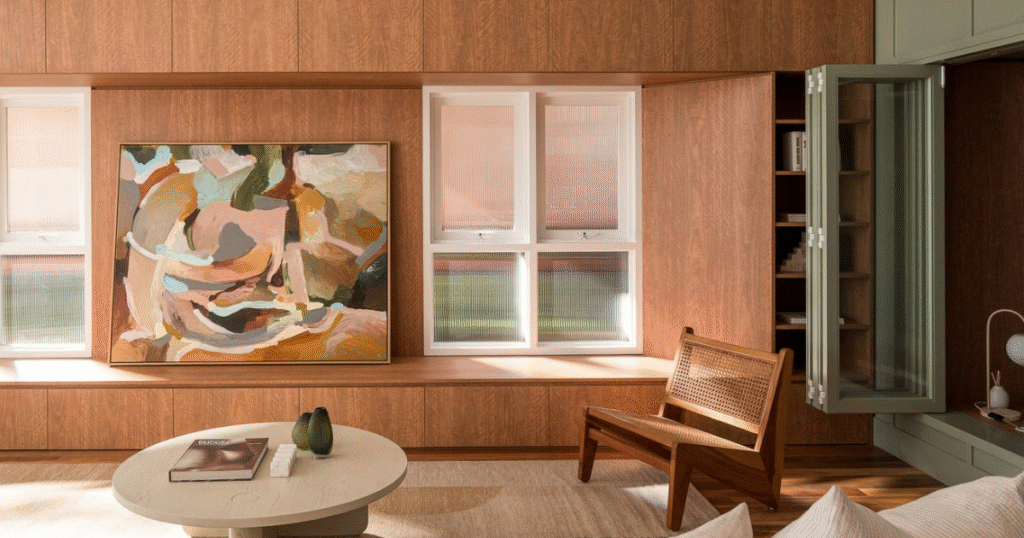
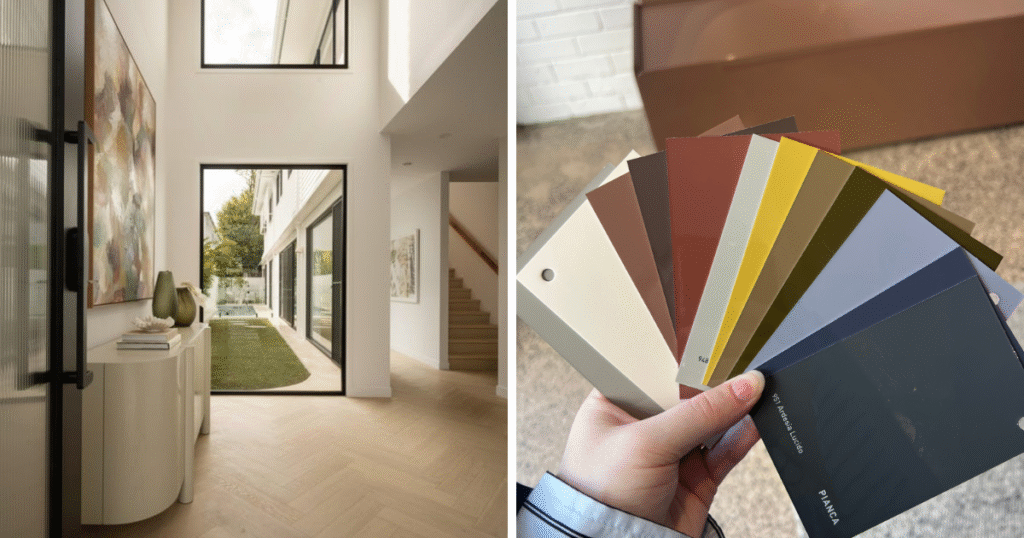
We talk about home staging and property styling in the language of aesthetics. Furniture. Proportion. Light. Texture. However, the reason staging works has almost nothing to do with how a home looks.
It has everything to do with how a buyer feels.
The specific, predictable, neurologically measurable response that happens in the first moments of a property inspection, is the real mechanism behind every strong auction result, every compressed days-on-market figure, and every offer that arrives before the second open home.
Understanding the psychology doesn’t just make you a better stylist. It makes you a far more persuasive advocate for your own work, when clients question its value.

How Buyers Feel in the First 10 Seconds
Research into environmental response consistently shows that humans form an emotional judgement about a new space within seconds of entering it. This happens long before the rational brain has time to process square meterage, storage, or proximity to schools.
This emotional verdict is processed in the limbic system, the part of the brain responsible for feeling, motivation, and long-term memory formation. It runs faster and deeper than conscious thought.
By the time a buyer has walked from the front door to the living room, they have already decided, at an emotional level, whether this home is a possibility or not.
That first impression is difficult to reverse. Cognitive psychology defines this as anchoring: the tendency for initial information to disproportionately influence all subsequent evaluation. A buyer who feels positively anchored at entry will unconsciously interpret every subsequent room through the original emotional lens they have developed.
Staging controls the anchor.
Buyers Feel Belonging Before Reason
Abraham Maslow’s Hierarchy of Needs is one of the most cited frameworks in human behaviour and consumer psychology. It proposes that motivation is driven by categories of need, where belonging and esteem are pursued in higher-level growth, once basics such as safety and security are met.
At the premium end of the property market, buyers have long since resolved their baseline needs. What they are searching for, often without consciously naming it, is a home that reflects and elevates who they are.
This is why luxury staging is not primarily about making a home look beautiful. It is about making a specific buyer feel seen.
When the furniture, the layers, the art, and the object selection align with a buyer’s self-image and aspirational identity, the space stops feeling like a property and starts feeling like a possibility. Psychologists call this the self-reference effect, when people tend to engage more deeply and retain information better when they can relate it to themselves.
In practical terms, a buyer who sees themselves in a staged home remembers it more clearly, thinks about it more frequently, and feels more urgently about securing it.
The brief for premium staging, understood correctly, is to create the sensation of belonging before the buyer has any rational reason to feel it.

The Most Powerful Force in Buyer Decision-making
Perhaps the most well-documented principle in behavioural economics, established by psychologists Daniel Kahneman and Amos Tversky in their landmark research on prospect theory, is that the pain of losing something is approximately twice as powerful, as the pleasure of gaining something equivalent.
For property, this means the fear of missing out on a home a buyer has emotionally claimed, is a far stronger motivator than the excitement of potentially winning one they feel neutral about.
Staging creates emotional ownership before legal ownership is possible. When a buyer walks through a beautifully presented home and experiences that sensation of belonging, they have, psychologically, already moved in.
From that point, the auction or sales negotiation is not experienced as a potential gain. It is experienced as a potential loss. People will work significantly harder, and pay significantly more, to avoid a loss than to secure a gain.
This is the deepest mechanism by which premium property styling drives price outcomes. It is not that buyers see more value, more so that they feel greater risk in not securing it.
Four Buyer Emotions that Premium Styling Reliably Produces
Future-self Projection
When a buyer can vividly imagine their own life unfolding in a space, dinner parties at that table, Sunday mornings on that sofa, they are engaging in a form of mental simulation that psychologists associate with higher commitment and faster decision-making. Staging creates the visual scaffolding for that projection. An empty room makes it hard to envision life in.
Commercial effect: accelerates decision timeline, reduces need for second inspections.
Status Alignment
At premium price points, buyers are not just purchasing a home. They are purchasing a version of themselves. When a property’s presentation aligns with their aspirational identity, the home becomes part of their self-narrative. This is a deeply motivating psychological state.
Commercial effect: reduces price sensitivity, increases emotional commitment to securing the property.
Perceived Completeness
Research into the psychology of incompleteness shows that unfinished or undefined environments create low-level anxiety and avoidance behaviour. A fully staged home signals completeness, leaving nothing left to do or imagine. That signal reduces cognitive load and decision friction.
Commercial effect: fewer objections, fewer conditions, fewer hesitation cycles.
Competitive Urgency
When a buyer has emotionally claimed a property, the presence of other interested buyers activates loss aversion in real time. An open home filled with people, inspecting a beautifully staged property, that the buyer has already mentally occupied, is one of the most commercially productive environments that exists in real estate.
Commercial effect: drives competitive bidding behaviour at auction, accelerates private treaty offers.
How to Communicate this in Client Conversations
When a client asks whether staging is worth the investment, they are asking a commercial question. The answer, given through the lens of buyer psychology, is more persuasive than any aesthetic argument.
The case, stated directly:
Staging controls how the prospective buyers feel at first impression, and their decision is anchored in that emotion. It removes the neurological triggers for buyer caution and replaces them with the conditions for confident decision-making. Done effectively, it evokes emotional ownership before legal ownership, activating loss aversion, rather than gain-seeking behaviour.
Finally, it encodes the property in long-term memory with an emotional charge that sustains buyer motivation through the days between inspection and offer.
None of this is incidental to the sale outcome. It is the sale outcome.
A SOLV’D CASE STUDY
The Brisbane luxury market has illustrated these principles recently.
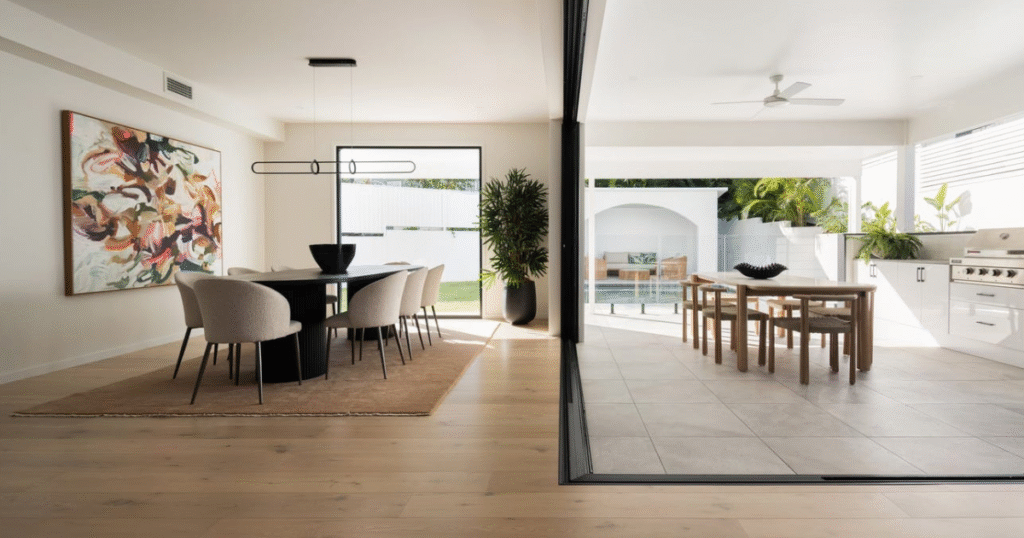
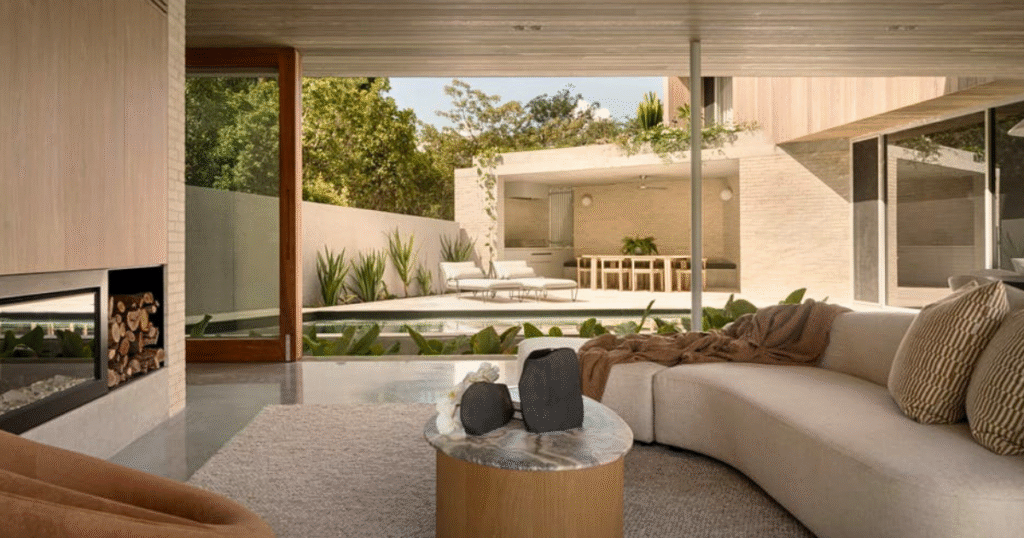
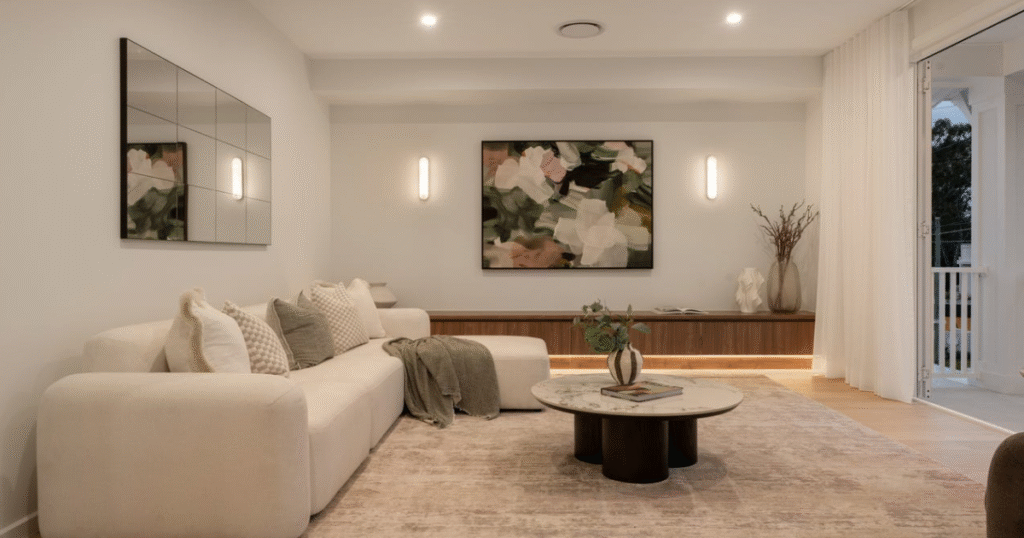
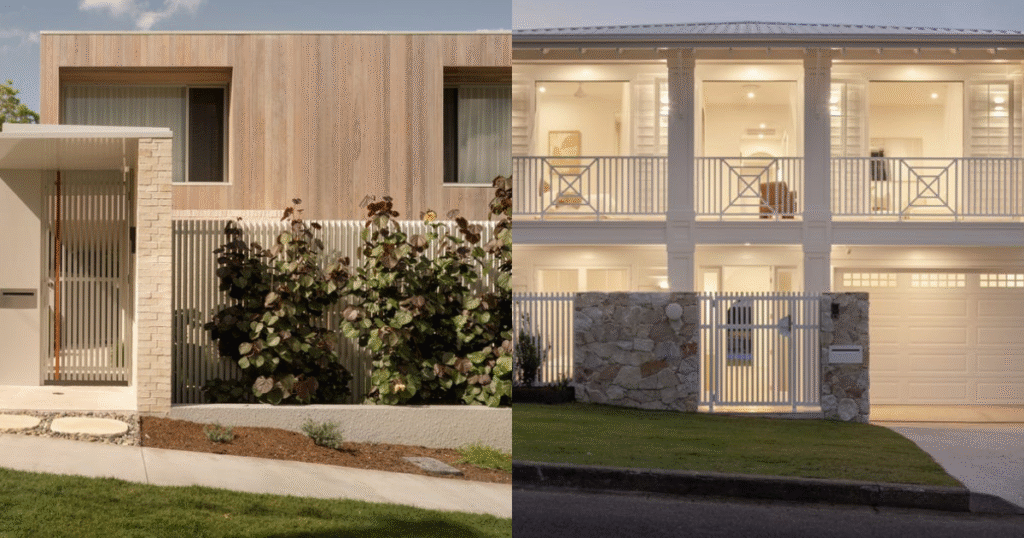
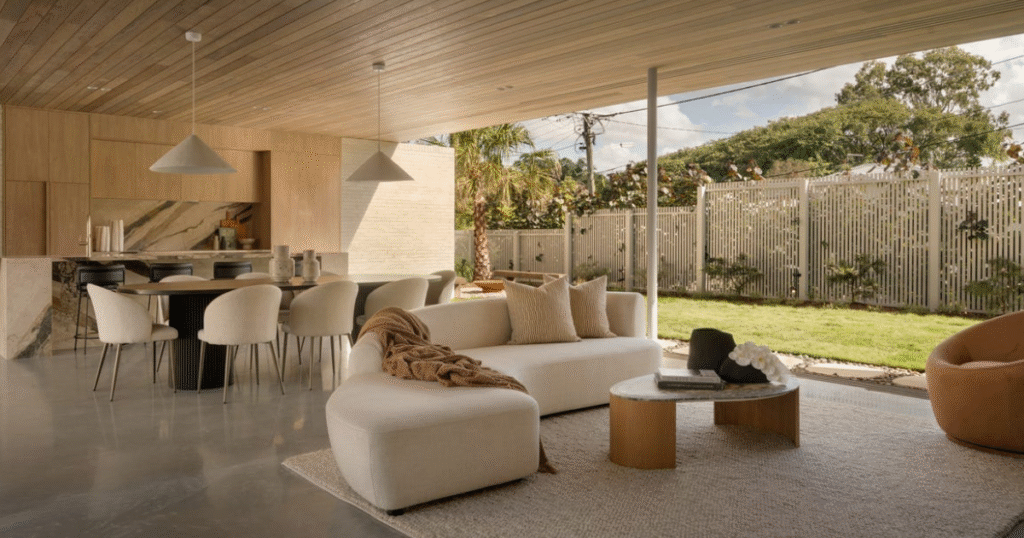
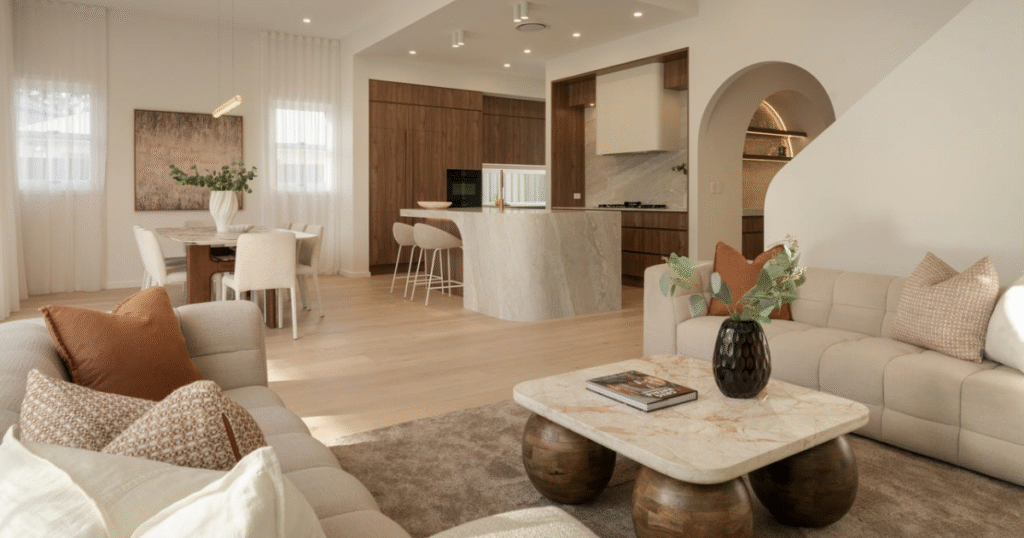
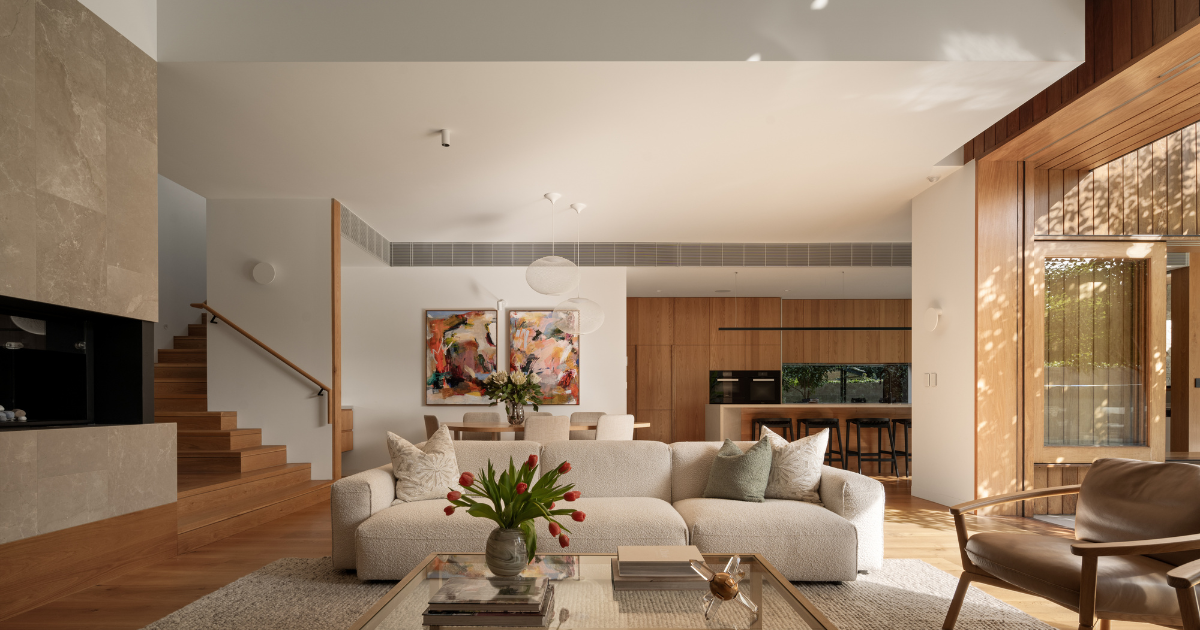
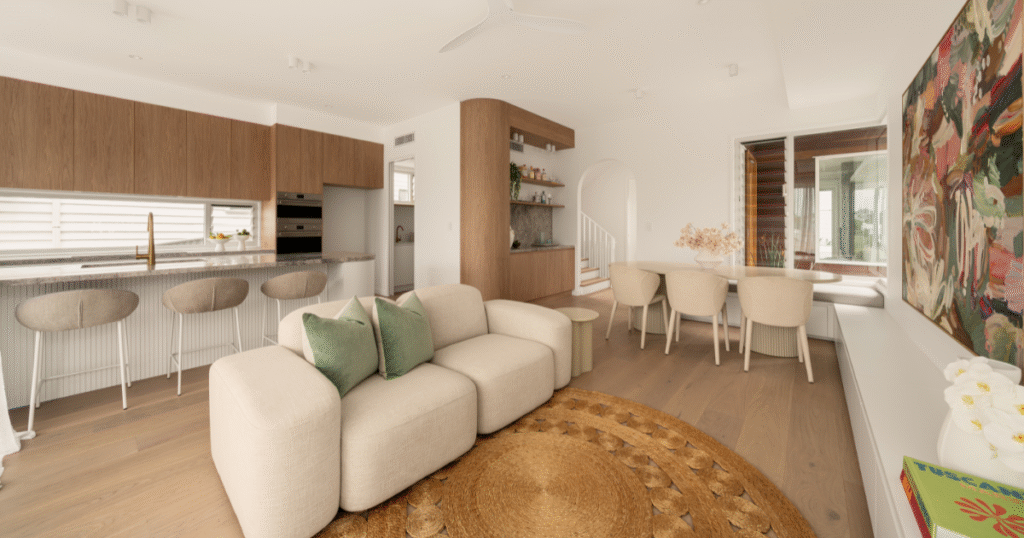
A Bardon architectural home achieved a result significantly above its estimated price range, and a Coorparoo property sold in approximately 5 days against a suburb benchmark of 20-35. In both cases, the emotional experience created at first inspection, was central to the result.
Using Psychology in Practice
The research and the results point to the same conclusion: premium staging doesn’t just change how a home looks, it changes what buyers feel, what they remember, what they fear losing, and ultimately, what they pay.
That is the conversation worth having.
Buyers feel before they think. Staging controls what they feel.
That is why it works.
Note – The psychological principles in this article are drawn from established research across neuroscience, cognitive psychology, and behavioural economics, including foundational work by Daniel Kahneman and Amos Tversky on prospect theory and loss aversion, Maslow’s hierarchy of needs, and environmental psychology research into how spaces influence mood, cognition, and decision-making.
For vendor conversations, you don’t need to cite the research by name. What matters is that you understand the mechanism well enough to explain it simply and confidently.
Partner with a Furniture Hire Team who Understands the Full Picture
We work with stylists, agents, and developers across Brisbane and South East Queensland to deliver premium commercial furniture solutions built for high-performance campaigns.
If you’re preparing a property for market and want a furniture partner who understands what it takes to present great homes, start the conversation today.
Frequently Asked Questions About Commercial Furniture Hire
Who typically uses furniture hire services?
Furniture hire is commonly used by property stylists, real estate agents, developers, photographers, production companies, event organisers and property investors.
Is furniture hire only for home staging?
No. While home staging is one of the most common uses, furniture hire is also used for film production, marketing shoots, rental properties and events.
Is hiring furniture cheaper than buying it?
For short-term use, hiring furniture is usually far more cost-effective than purchasing it, especially when transport, storage and styling changes are considered.
Where is furniture hire most common in Queensland?
Furniture hire is widely used across Brisbane, Gold Coast, Sunshine Coast and Toowoomba, particularly in property marketing and creative industries.
Related Reading
Want to see these principles in action? The full Bardon and Coorparoo case studies are available: https://solvd.com.au/premium-furniture-staging-case-study/
Two Brisbane luxury homes, two very different markets, and the data behind both results.