Solv'd

Solv'd

  • Latest News
  • How It Works
    • About Us
    • Our Services
    • Our Team
  • Help
    • How To Order
    • FAQs
    • Contact
  • My account
  • Member Login
  • Quick Quote

Texture and Form in Property Styling

April 24, 2026

Why Texture and Form are shaping Buyer Perception in 2026.

Introduction

In today’s market, most styled properties look good.

But only a small percentage feel compelling enough to convert buyers emotionally.

While colour sets the tone, texture and shape create depth and movement, especially in photography. For stylists, agents, and developers using commercial furniture hire, these are the elements that elevate a space from styled, to truly sellable.


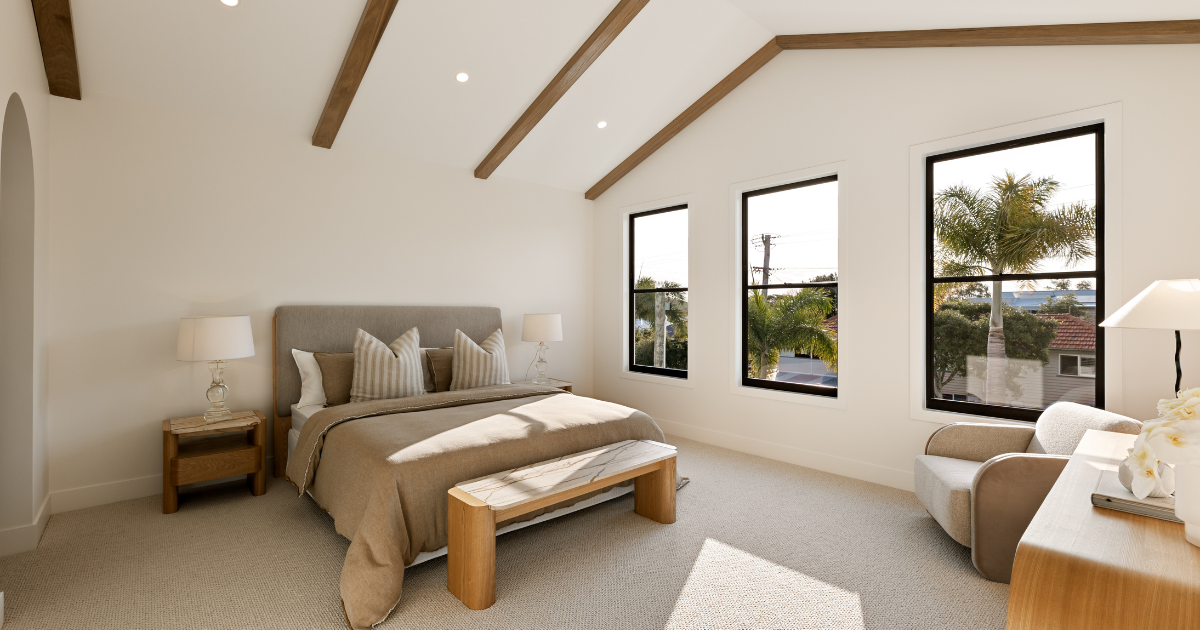
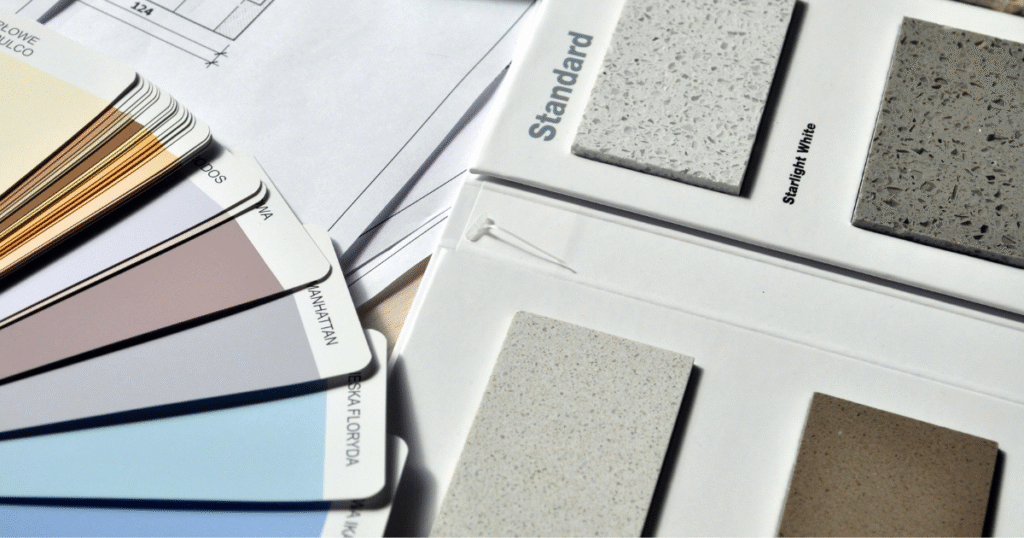
Organic and Material textures are the new "neutral" in luxury homes, signaling premium finishings and design-led thought.

The New “Neutral”

There’s been a noticeable shift in Australian interiors:

Texture is taking over.

Layered materials – linen, bouclé, timber, stone – are now doing the heavy lifting in creating visual interest and emotional connection.

In fact, texture is what transforms a minimal palette into something that feels:

  • Warm, instead of flat
  • Considered, instead of generic
  • Premium, instead of entry-level

Buyers don’t respond to minimalism like they used to, pre-pandemic. They respond to depth disguised as simplicity. While the desire for decluttered spaces remains, buyers now prioritise a curated, intentional expression that feels liveable, rather than ultra-clean interiors.

Layering Texture for Photography

Layering different textures in property styling creates contrast, enhancing visibility in photos and making the space feel dimensional, rather than flat.

A common mistake in interior styling furniture selection, is designing purely for the physical space.

Real Estate has become a digital-first experience.

Texture plays a critical role in how a property photographs:

  • Flat surfaces absorb light → rooms feel lifeless
  • Layered textures catch light → rooms feel dimensional
  • Mixed materials create contrast → photos feel curated

Designers are increasingly using ribbed, fluted, and tactile surfaces because they create movement through shadow and light, not just colour variation.

What this looks like in practice:

  • Bouclé seating against smooth walls
  • Timber grain next to matte ceramics
  • Soft textiles layered over structured upholstery
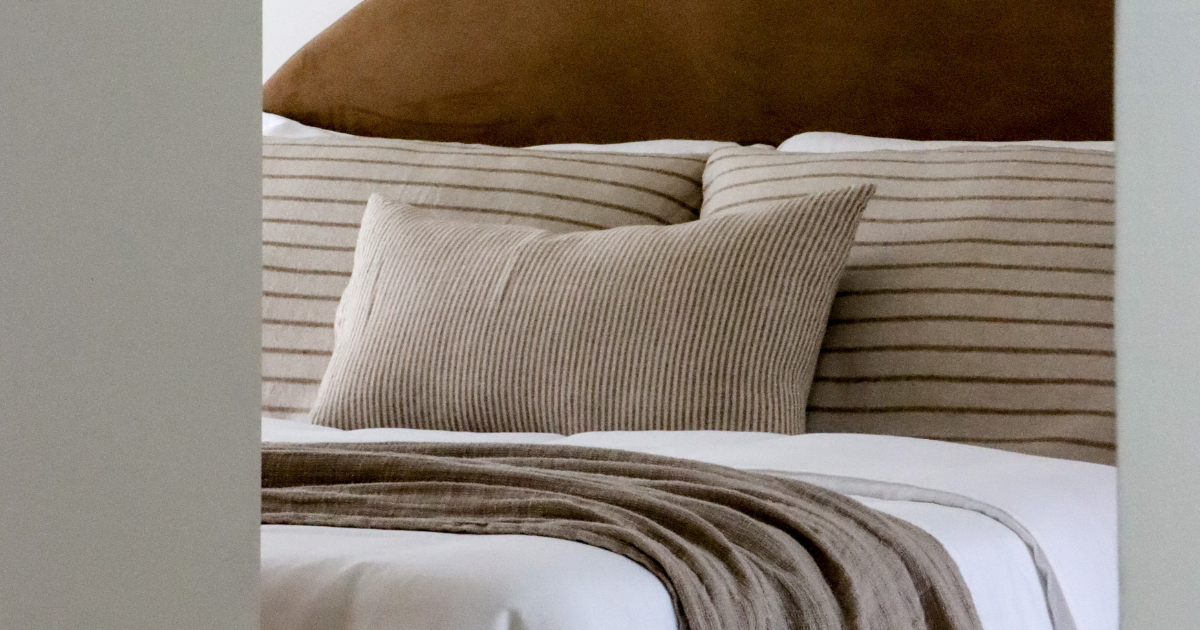
  • Velvet bedheads with clean linens

Curves vs Clean Lines: The Psychology of Form

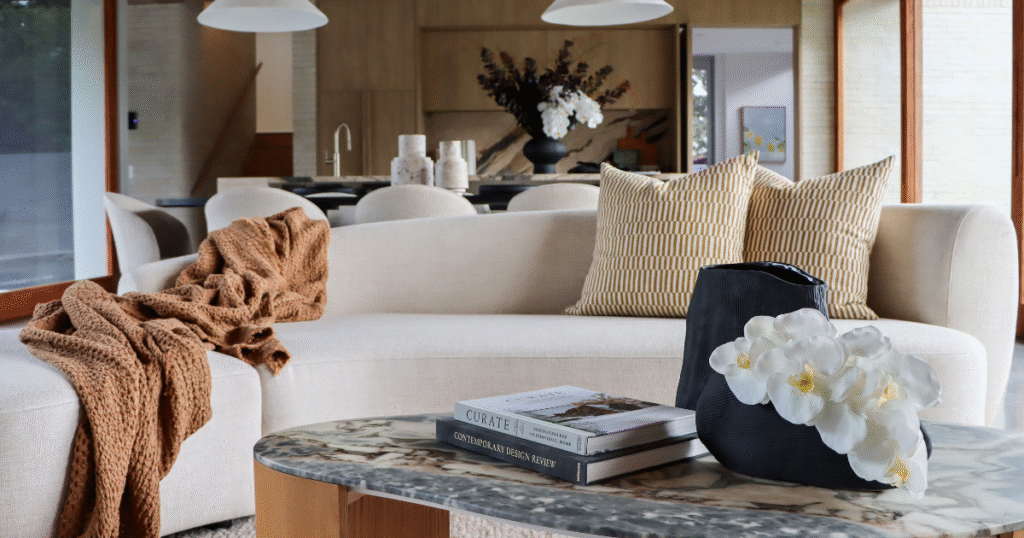
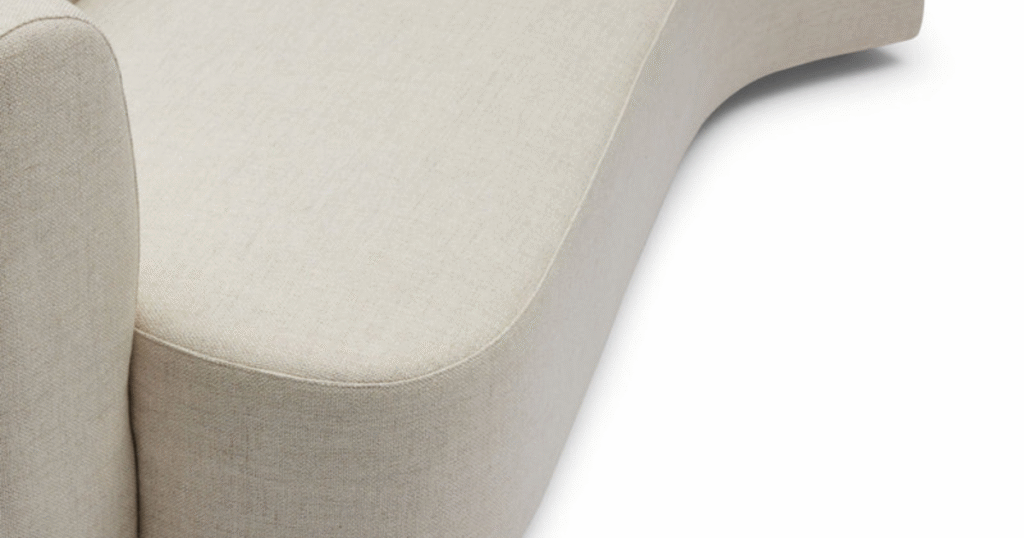
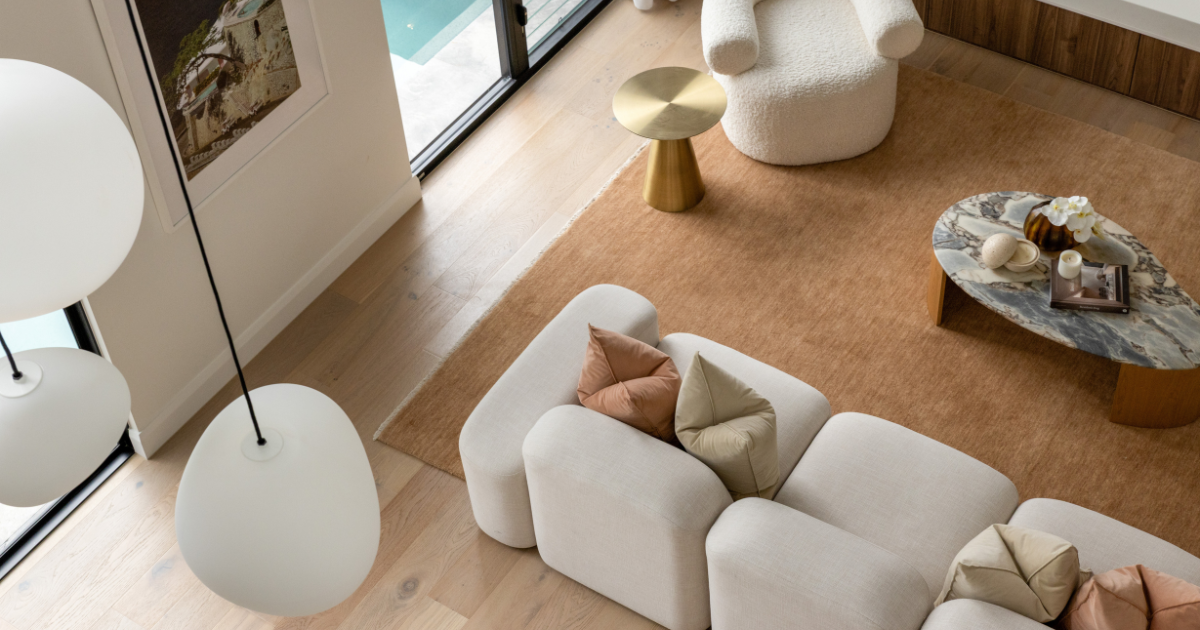
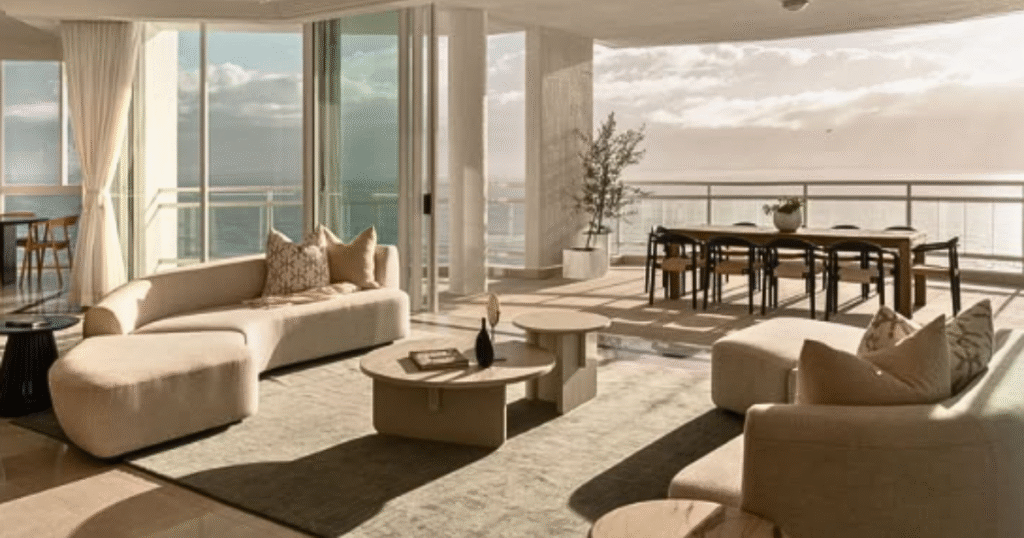
The Celine sofa lounge features organic, curved surfaces, creating flow and emotional connection through effective property styling.

There’s a clear shift happening in furniture form.

Curves and organic shapes:

  • Feel soft, safe, and inviting
  • Encourage buyers to linger
  • Add a “designed” feel without being blatant

Clean lines and sharp geometry:

  • Feel structured, architectural, and controlled
  • Work well in premium, modern builds
  • Can feel rigid, if overused

Across Australia, curves are dominating. Rounded sofas, circular tables, archways and sculptural pieces are now strongly associated with contemporary design.

The most effective spaces combine both. Structure signals quality, whilst curves and organic shapes soften, creating emotional connection.

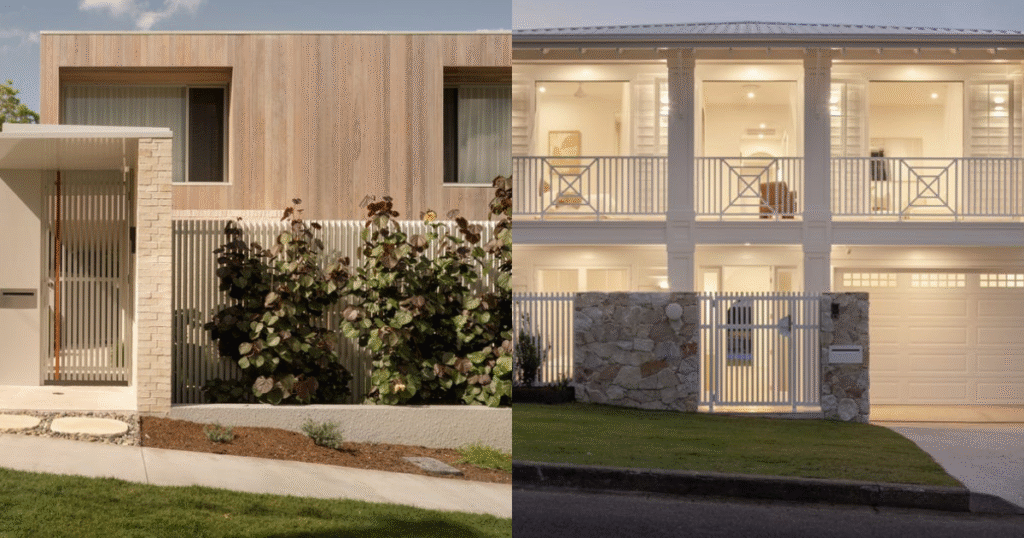
Brisbane vs Gold Coast: Texture Trends in High-End Properties

Although similar, there is a nuance between texture and form trends throughout Brisbane City, versus the Gold Coast. Understanding the distinction is critical, when selecting from furniture collections, especially at the premium end of the market.

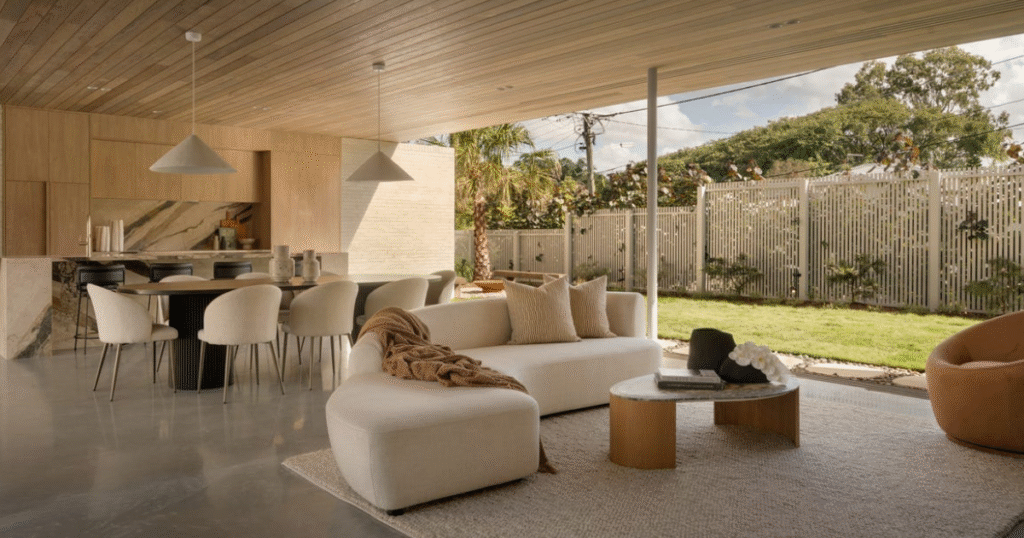
Brisbane:

  • More structured, refined interiors
  • Higher use of:
    • Matte finishes
    • Raw concrete and timber
    • Subtle tonal variation (e.g. mocha, warm browns)
  • Biophilic and Mediterranean-inspired interiors

Urbanisation generally leads to a preference for structure, where smooth accents of metal and glass signal properties as quietly premium. However, Brisbanites balance this with a unique desire for biophilic design, embracing connection to nature and seamless outdoor living spaces.

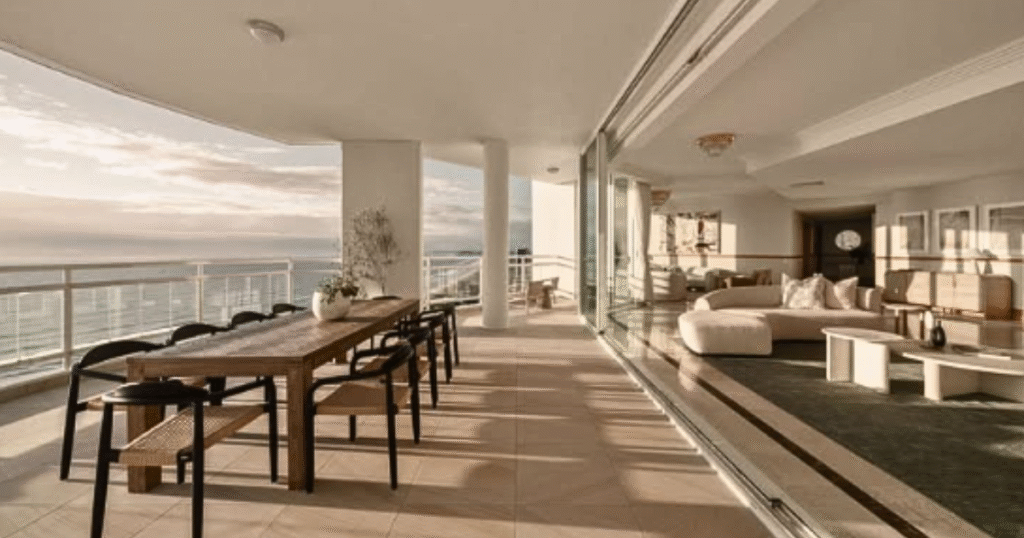
Gold Coast:

  • Softer, more lifestyle-driven interiors
  • Heavy use of:
    • Linen, rattan, light timber
    • Organic finishes and abstract shapes
    • Relaxed layering that feels effortless

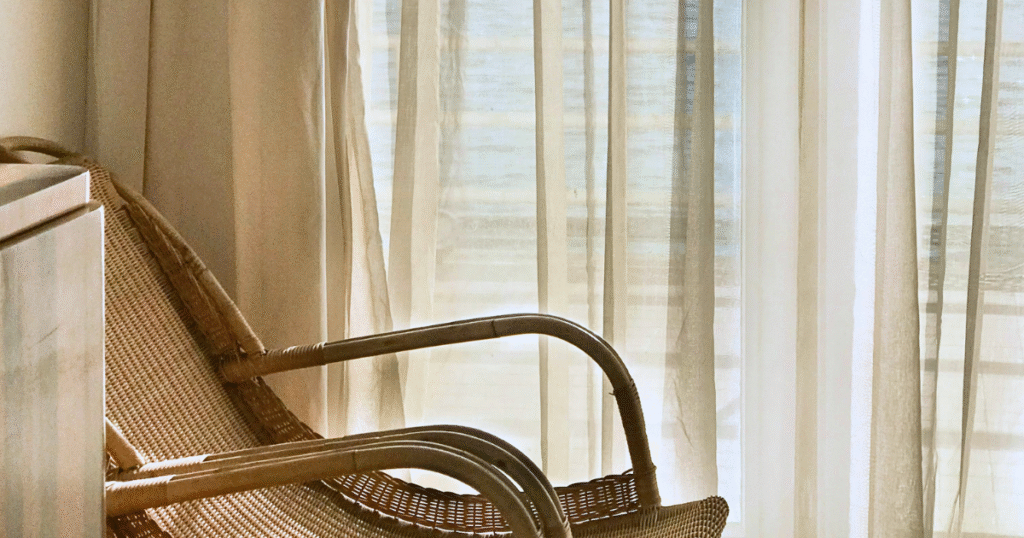
The paragon of Australian beachfront living, leans aspirational, whilst remaining approachable. Transparent finishes and natural textures blend indoor and outdoor living in an understated design that feels breathable. Effortless interiors and soft forms create a sanctuary in Gold Coast homes.

Both markets use texture and form to signal luxury in property styling, but the intent differs.

Gold Coast = coastal luxury through relaxed layering.

Brisbane = refined luxury through contemporary finishes.

Matte vs Gloss: The Quiet Signal of Luxury

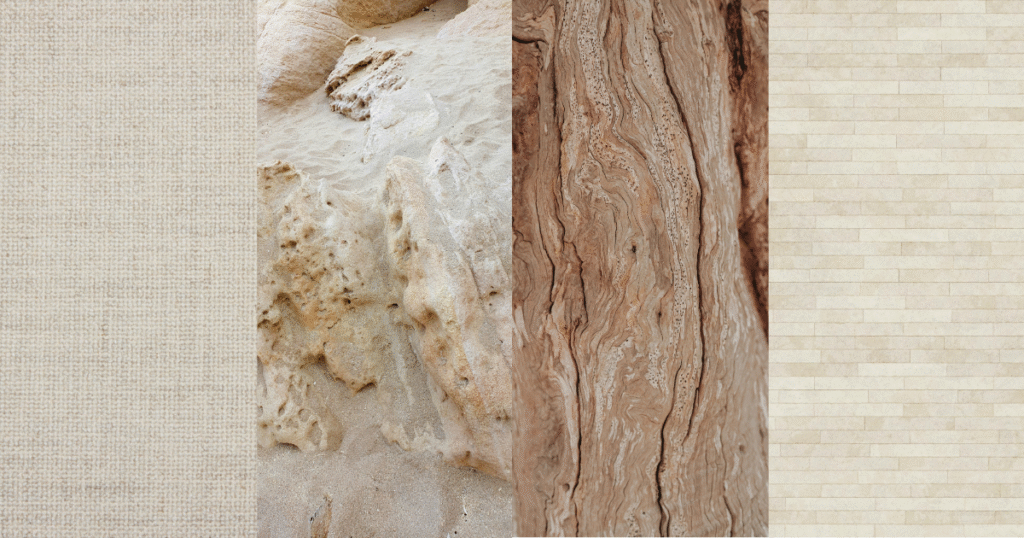
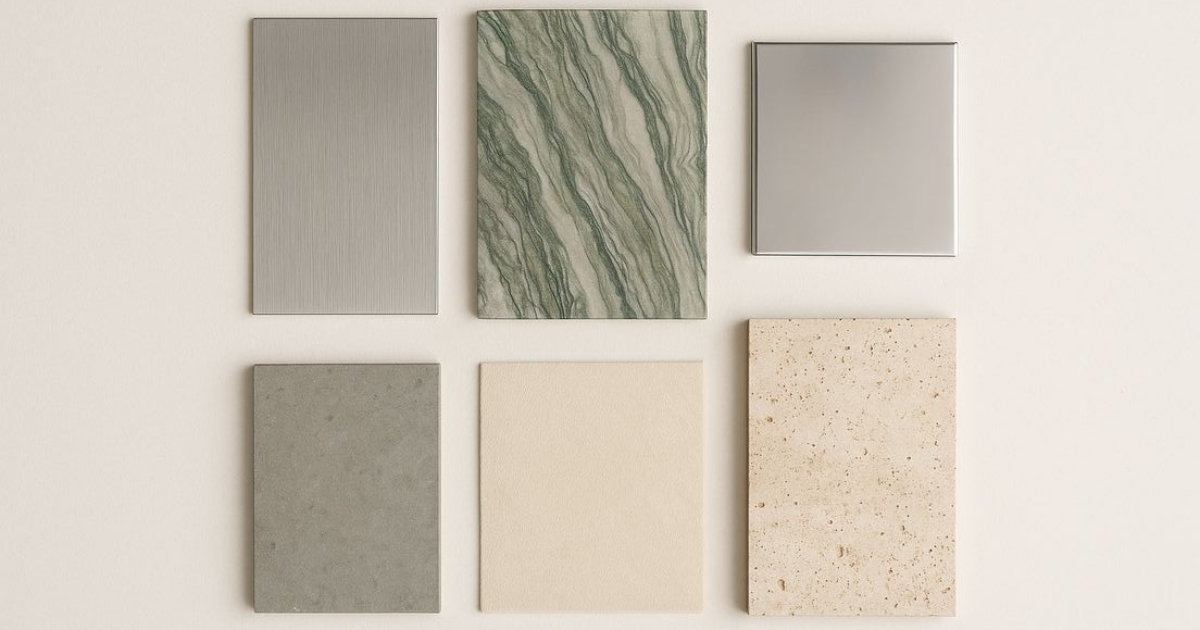
Matte, Gloss, Eggshell, Satin - the finish of your furnishings matter more than you think. Texture and form set the tone of your property.

One of the most underrated decisions in styling for texture and form, is finish selection.

Gloss Finishes:

  • Reflect light sharply
  • Can feel high-impact and vibrant, but less forgiving
  • Often read as more “display” than “lived-in”

Matte Finishes:

  • Diffuse light softly
  • Feel calm, tactile, and premium
  • Photographs more consistently

Designers increasingly use contrast in sheen (matte vs gloss) to create subtle depth, rather than relying on colour alone. Both matte and gloss finishes have their place. A blend of both, alongside hybrid finishes such as eggshell and satin, create a balanced look.

Why Matching Furniture Reduces Perceived Value

One of the fastest ways to make a property feel “staged” (in the wrong way) is over-matching.

  • Identical finishes
  • Repeated materials
  • Predictable combinations

This creates a showroom effect, clean, but forgettable.

Instead, high-performing styling introduces:

  • Slight variation in tone
  • Mixed materials within a palette
  • Pieces that feel collected, not ordered in a set.

This aligns with the broader move toward interiors that feel layered, personal, and curated, rather than uniform.

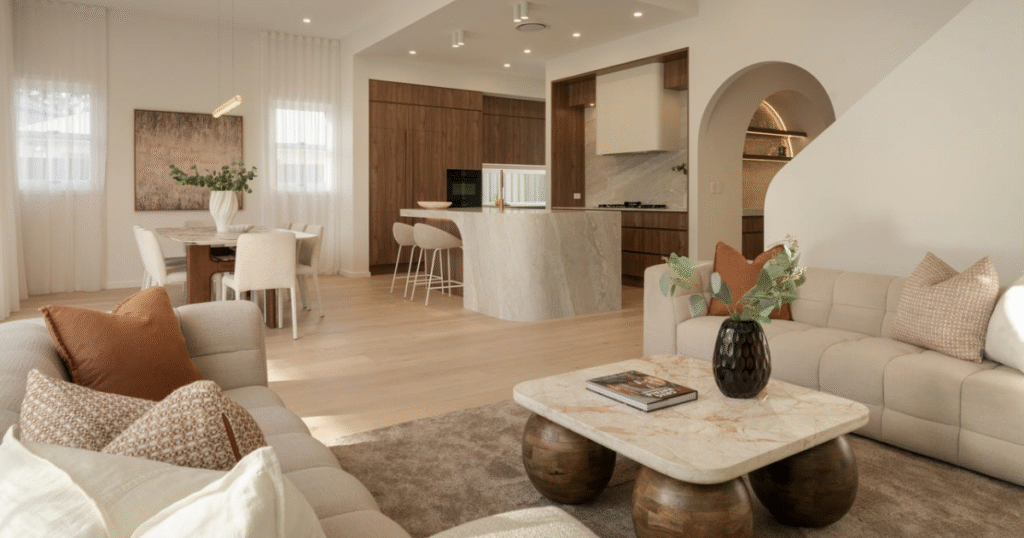
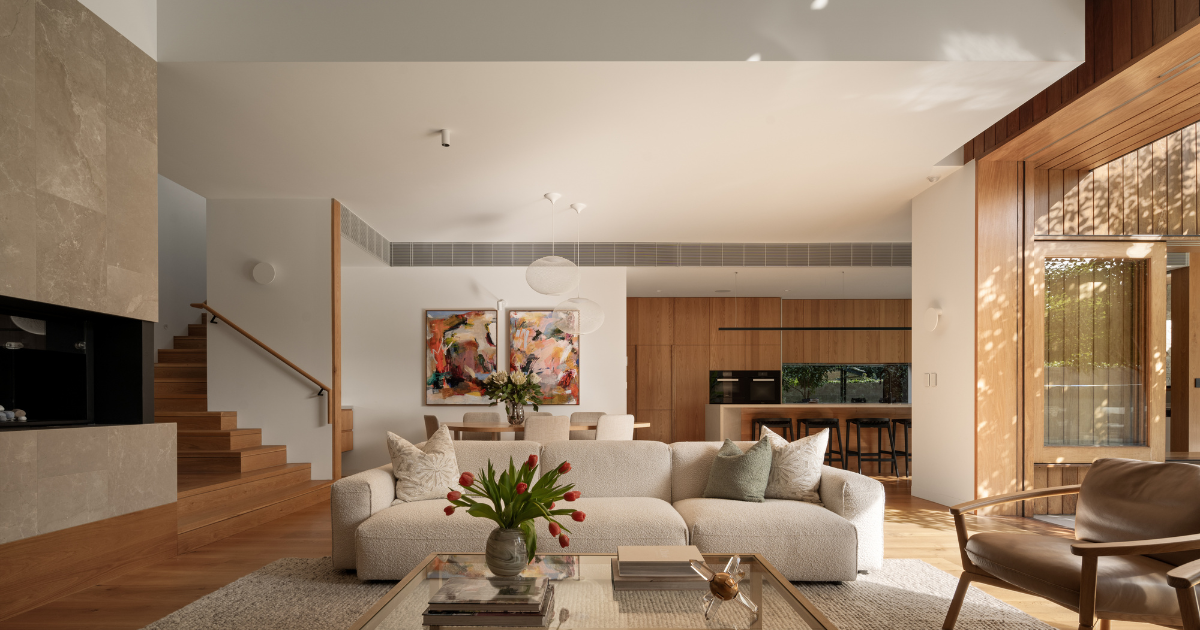
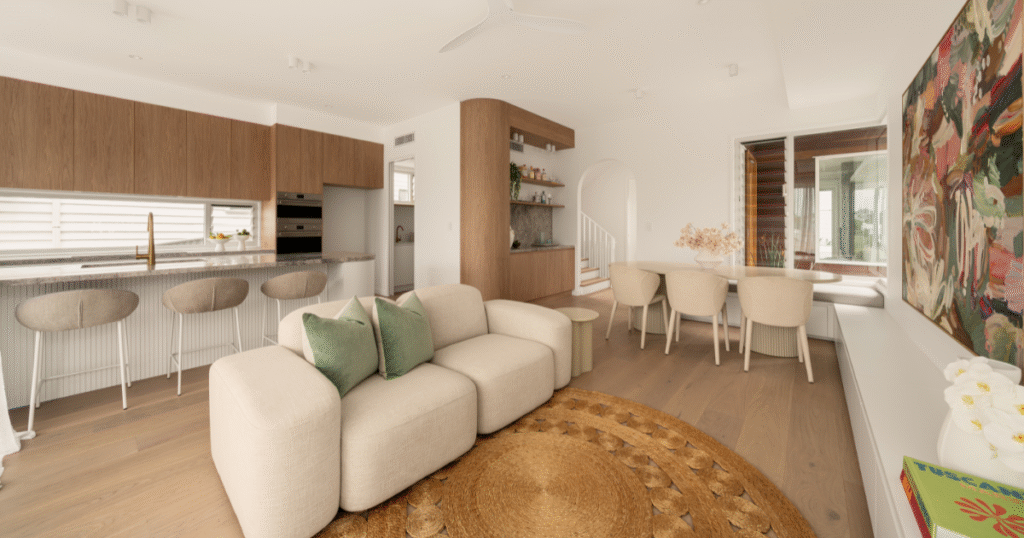
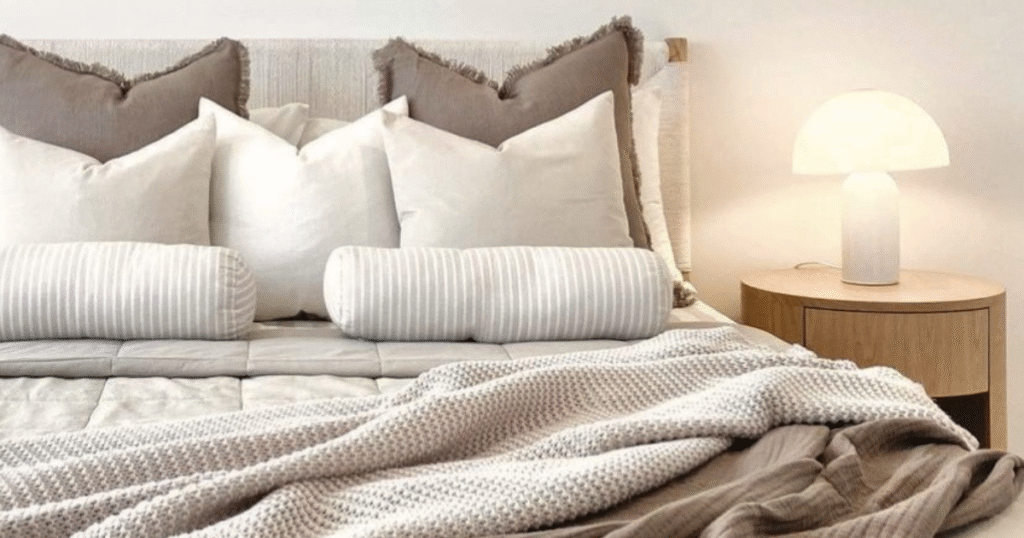
Texture and form communicate beautifully in this layered, curated property styling example, using commercial furniture hire.

Final Thought


Buyers rarely articulate why a space feels “right.”

But more often than not, it comes down to:

  • Texture they can see (and imagine feeling)
  • Forms that feel intuitive and inviting
  • Subtle variation that signals design intention

For stylists, agents, and developers, leveraging the right furniture hire, isn’t just about filling a property, it’s about shaping perception. And perception is what drives results.


Bring Depth Into Your Next Project

We work with property stylists, agents, and developers to supply furniture that adds texture, form, and flexibility to your styling direction.

If you’re planning an upcoming project and want access to pieces that elevate how a space feels, we’re here to support.

Enquire Now →

  • Instagram
  • Facebook
  • LinkedIn

Frequently Asked Questions About Commercial Furniture Hire

Who typically uses furniture hire services?

Furniture hire is commonly used by property stylists, real estate agents, developers, photographers, production companies, event organisers and property investors.


Is furniture hire only for home staging?

No. While home staging is one of the most common uses, furniture hire is also used for film production, marketing shoots, rental properties and events.


Is hiring furniture cheaper than buying it?

For short-term use, hiring furniture is usually far more cost-effective than purchasing it, especially when transport, storage and styling changes are considered.


Where is furniture hire most common in Queensland?

Furniture hire is widely used across Brisbane, Gold Coast, Sunshine Coast and Toowoomba, particularly in property marketing and creative industries.

Commercial furniture hire plays a much larger role than many people realise.

From home staging and property marketing to film production and corporate events, the ability to quickly access curated furniture allows businesses to create environments that feel complete, professional and intentional.

Whether the goal is selling a home, marketing a product or creating a compelling visual environment, furniture remains one of the most powerful tools for shaping how people experience a space.

Related Reading

For a deeper understanding of how presentation influences buyer behaviour, read:
The Complete Guide to Home Staging That Actually Sells Home

This guide explains how staging, furniture, and layout influence buyer perception and sales outcomes.

Filed Under: News Tagged With: airbnb, brisbane, commercial furniture hire, DIY staging, event styling, furniture hire, gold coast, holiday rentals, home staging, property styling, set design, short term rentals

Emotional Colour Theory in Property Styling

April 20, 2026

How Palettes Influence Perceived Value

Introduction

When buyers walk into a styled property, they’re not consciously analysing furniture layouts or paint tones, they’re making emotional decisions in seconds.

Colour is one of the fastest ways to shape that emotional response, through property styling.

For property stylists, agents, and developers, understanding how colour influences perceived value can directly impact days on market and final sale price. For those leveraging commercial furniture hire, colour becomes a strategic tool for product launches or film sets, rather than a decorative afterthought.


Emotional colour theory for property styling is a key consideration that influences perceived value.

Warm vs Cool Palettes: Psychology in Action

Colour temperature subtly signals value positioning.

Warm palettes (creams, taupes, soft terracottas):

  • Feel inviting, safe, and “lived-in”
  • Appeal strongly to owner-occupiers
  • Often perform well in family homes and mid-range markets

Cool palettes (greys, charcoals, crisp whites):

  • Feel modern, minimal, and premium
  • Create perceived architectural sharpness
  • Commonly used in high-end apartments and contemporary builds

It’s not about choosing one over the other it’s about aligning palette with buyer expectation. A mismatch can subconsciously devalue a property, even if it is styled.

What Photographs Well (and What Doesn’t)

Some colours don't just look good in person, they also present beautifully in property photos.

In today’s market, properties are judged online, before they’re ever inspected.

Some colours consistently outperform others in real estate photography:

High-performing tones:

  • Soft neutrals with depth (greige, warm white, stone)
  • Muted, desaturated colours
  • Layered textures within the same tonal family

Inconsistent tones:

  • Stark contrasts (harsh black/white)
  • Highly saturated colours
  • Cool greys without warmth (can feel flat or sterile on camera)

The right palette doesn’t only look good in person, it holds detail under the lens, helping listings feel more dimensional and expensive. This key principle elevates property styling to the next level.

Neutral Layering: Creating Emotion, Not Just “Safety”

Styling properties in neutral palettes isn't just "safe", it's smart. But, they must be layered to create depth.

“Neutral styling” is often misunderstood as playing it safe.

In reality, high-performing property styling uses layered neutrals to create emotional depth:

  • Mixing warm and cool undertones subtly
  • Combining matte and tactile finishes (linen, boucle, timber)
  • Using tonal variation instead of contrast

This creates a space that feels:

  • Calm, but not boring
  • Elevated, but still relatable
  • Aspirational, without being unattainable

 Neutral isn’t about removing personality, it’s about making space for the buyer’s imagination.

The ability to visualise, or project “self-in-space”, is a key driver of emotional connection and, ultimately, faster sales in real estate contexts

Seasonal Styling: When to Follow (and When to Ignore)

There’s a growing trend toward seasonal palettes in home staging, but it’s not always the right move.

When seasonal works:

  • Lifestyle-driven properties (coastal homes, holiday rentals)
  • Campaigns tied to specific buyer emotions (e.g. the need for nesting in winter)

When to ignore it:

  • High-end, or architecturally driven homes
  • Investment-grade properties
  • Markets where buyers prioritise logic, over lifestyle

Seasonality should enhance the story, not override the property’s core identity.

A subtle nod to the season can create a welcoming atmosphere, however the goal is to make the space look timeless.  This is where professional property styling wins; by creating an effortless, timeless appeal that complements the properties existing character.

Subtle Luxury: Tonal Whites vs Flat Whites

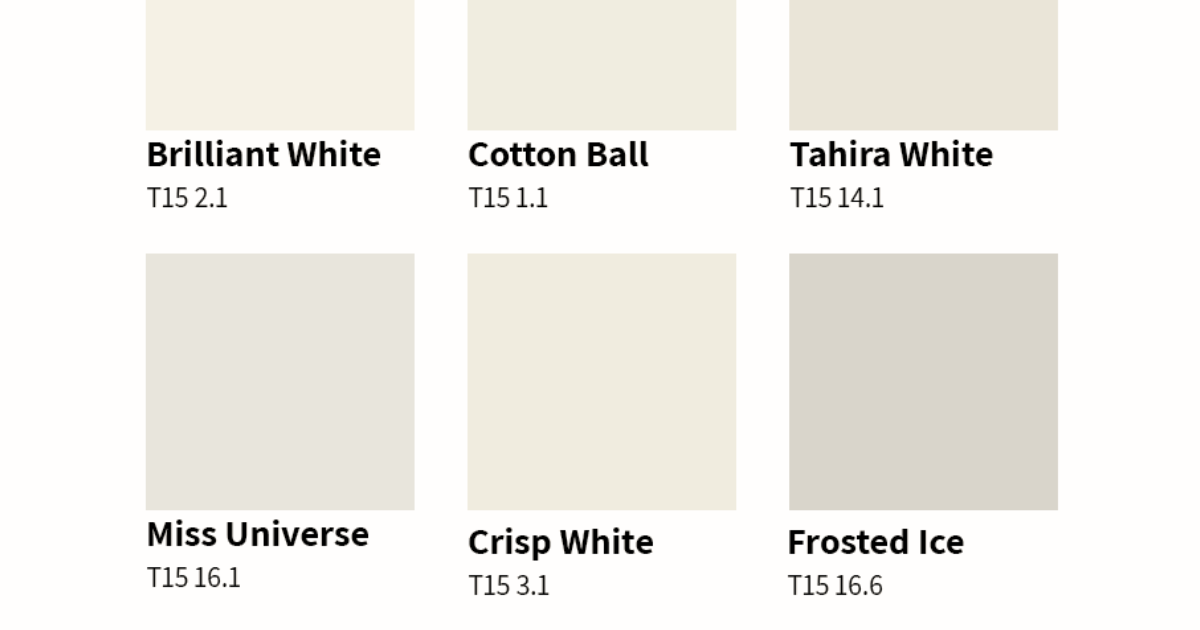
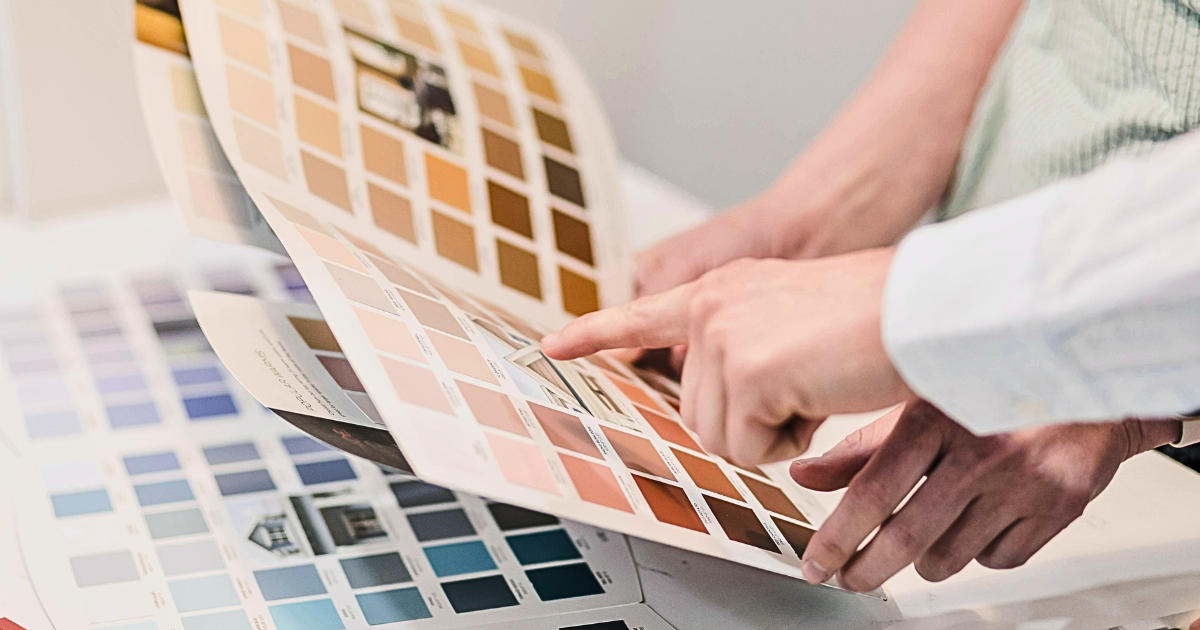
Taubman's different shades of white evoke different emotions depending on their undertone. Tonal whites feel more "lived in", whilst flat whites can feel too clinical when it comes to homes.

One of the most overlooked colour decisions is white.

Flat White:

  • Can feel clinical and unfinished
  • Lacks depth in photography
  • Often reads as “budget” rather than “minimal”

Tonal Whites:

  • Layered whites with slight undertones (warm, creamy, stone)
  • Create softness and visual richness
  • Signal quiet, understated luxury

White furniture is highly effective in boosting a property’s perceived value by reflecting light and making space appear larger and more hygienic – a key psychological driver, post-pandemic. 

Colour as a Value Multiplier

Well-curated commercial furniture hire collections, make a visible difference when considering emotional colour theory and strategy in property styling.

At a high level, colour does three critical things:

  1. Guides emotional response
  2. Reinforces target buyer identity
  3. Elevates perceived price point

The most effective styling outcomes happen when:

  • Stylists lead the creative direction
  • Furniture hire partners support with range and flexibility
  • The palette is treated as a strategic layer, not a finishing touch

This is where experienced stylists, and well-curated commercial furniture hire collections, make a visible difference.

Final Thought


Buyers don’t remember exact furniture pieces, but they remember how a space made them feel.

Colour is often the reason why.

For property stylists, agents, and developers, leveraging colour intentionally, supported by the right furniture and inventory, can be the difference between a property that simply looks good and one that sells with impact.


WORK WITH US

We partner with property stylists, agents, and developers to deliver flexible, design-led furniture hire that supports your vision. Whether you’re scaling your styling projects, or need tailored pieces for a specific campaign.

Join now →

  • Instagram
  • Facebook
  • LinkedIn

Frequently Asked Questions About Commercial Furniture Hire

Who typically uses furniture hire services?

Furniture hire is commonly used by property stylists, real estate agents, developers, photographers, production companies, event organisers and property investors.


Is furniture hire only for home staging?

No. While home staging is one of the most common uses, furniture hire is also used for film production, marketing shoots, rental properties and events.


Is hiring furniture cheaper than buying it?

For short-term use, hiring furniture is usually far more cost-effective than purchasing it, especially when transport, storage and styling changes are considered.


Where is furniture hire most common in Queensland?

Furniture hire is widely used across Brisbane, Gold Coast, Sunshine Coast and Toowoomba, particularly in property marketing and creative industries.

Commercial furniture hire plays a much larger role than many people realise.

From home staging and property marketing to film production and corporate events, the ability to quickly access curated furniture allows businesses to create environments that feel complete, professional and intentional.

Whether the goal is selling a home, marketing a product or creating a compelling visual environment, furniture remains one of the most powerful tools for shaping how people experience a space.

Related Reading

For a deeper understanding of how presentation influences buyer behaviour, read:
The Complete Guide to Home Staging That Actually Sells Home

This guide explains how staging, furniture, and layout influence buyer perception and sales outcomes.
Filed Under: News Tagged With: airbnb, brisbane, commercial furniture hire, DIY staging, event styling, furniture hire, gold coast, holiday rentals, home staging, property styling, set design, short term rentals

SOLV’D PTY LTD
ABN: 33 637 838 950

Ph: 1300 4 SOLVD – 1300 476 583

Email: Hire@SOLVD.com.au

Unit D
150 Dalmeny St
Willawong Qld 4110

Follow us

  • Facebook
  • Instagram
  • LinkedIn
  • YouTube
  • X (Twitter)

© 2026 SOLV'D. All rights reserved.

  • Terms & Conditions of Hire
  • Privacy Policy
  • Terms of Use